Je choisis toujours des chaussures de sécurité en polyuréthane car elles protègent mes pieds des chocs, des objets pointus et des surfaces glissantes au travail. Lorsque je passe de longues heures debout, le confort et la flexibilité des chaussures de sécurité font toute la différence. Je ressens moins de fatigue et plus d'énergie pendant ma journée de travail. Je pense que la connaissance de ces avantages m'aide à choisir les chaussures adaptées, assurant ainsi la sécurité et le maintien de mes pieds au quotidien.
Les chaussures de sécurité en polyuréthane offrent une excellente protection contre les chocs, les objets pointus et les glissades, ce qui les rend essentielles pour la sécurité au travail.
La conception légère et flexible des chaussures en PU réduit la fatigue, permettant aux travailleurs de rester confortables pendant les longues journées de travail.
Le polyuréthane offre une absorption des chocs supérieure, ce qui contribue à prévenir les douleurs aux pieds et favorise la santé articulaire globale.
Les semelles extérieures antidérapantes améliorent l'adhérence sur les surfaces mouillées ou huileuses, réduisant considérablement le risque d'accidents du travail.
Les semelles intermédiaires résistantes à la perforation protègent les pieds des débris pointus, tandis que La résistance chimique assure la durabilité des chaussures dans des environnements dangereux.
Un entretien régulier, comme le nettoyage et l'inspection pour détecter tout dommage, prolonge la durée de vie des chaussures de sécurité en PU et assure une protection continue.
Choisir des chaussures de sécurité conformes aux normes EN ISO 20345 ou ASTM garantit le respect des réglementations en matière de sécurité et renforce la confiance des travailleurs.
Investir dans des chaussures de sécurité en polyuréthane améliore non seulement le confort et la productivité, mais contribue également à un environnement de travail plus sûr.
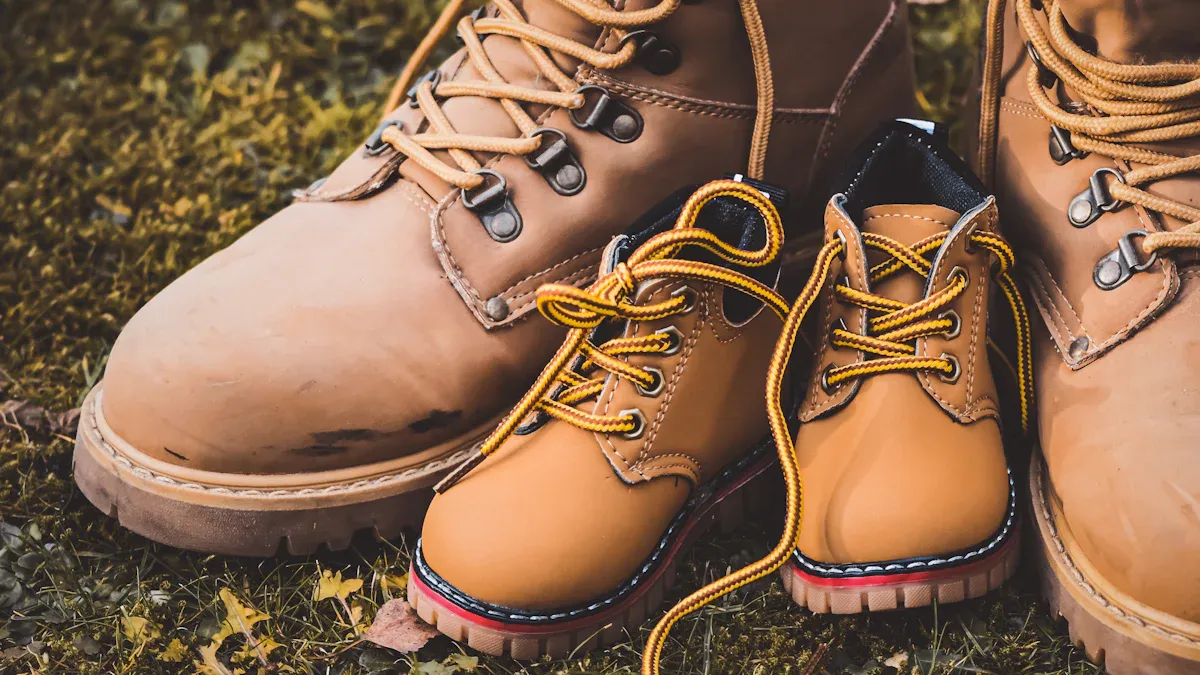
Je vois souvent des gens poser des questions sur la matière des chaussures de sécurité. PU signifie polyuréthaneJ'ai appris que le polyuréthane est un type de plastique léger et souple. Au toucher, la semelle de mes chaussures de sécurité est douce et élastique. Le polyuréthane absorbe bien les chocs. Sur les chantiers, je marche sur des surfaces dures et mes pieds sont moins fatigués grâce à ce matériau. Le polyuréthane est également résistant à l'eau et aux produits chimiques. Je travaille dans des environnements où les déversements sont fréquents ; je fais donc confiance à mes chaussures de sécurité pour garder mes pieds au sec et en sécurité.
Conseil : Je vérifie toujours la présence de semelles en polyuréthane lorsque j’achète de nouvelles chaussures de sécurité. Elles durent plus longtemps et se sentir plus à l'aise pendant les longues périodes de travail.
Je porte des chaussures de sécurité tous les jours au travail. Sur les chantiers, je vois des ouvriers porter des chaussures de sécurité en polyuréthane pour se protéger les pieds des chutes d'outils et de matériaux lourds. Les électriciens les utilisent car leurs semelles les protègent des risques électriques. Dans les entrepôts, je remarque que les gens comptent sur les chaussures de sécurité pour éviter les blessures dues aux objets tranchants au sol. Les usines exigent des chaussures de sécurité pour se protéger des produits chimiques et des machines. Je vois également des chaussures de sécurité en polyuréthane dans les laboratoires, où les déversements et les bris de verre peuvent provoquer des blessures.
Voici quelques endroits où je vois le plus souvent des chaussures de sécurité en PU :
chantiers de construction
Entrepôts
usines de fabrication
Laboratoires
Zones de travail électrique
installations de traitement chimique
Je pense que les chaussures de sécurité en polyuréthane conviennent à de nombreux métiers. Elles offrent protection et confort dans les environnements difficiles.
J'ai comparé des chaussures de sécurité en polyuréthane à d'autres types de chaussures de sécurité. J'ai constaté d'importantes différences en termes de poids, de confort et de durabilité. Voici un tableau récapitulant mes observations :
Fonctionnalité | Chaussures de sécurité en PU | Chaussures de sécurité en caoutchouc | Chaussures de sécurité en cuir |
|---|---|---|---|
Poids | Lumière | Lourd | Moyen |
Flexibilité | Haut | Faible | Moyen |
Amortissement des chocs | Excellent | Bien | Bien |
résistance chimique | Haut | Haut | Moyen |
Résistance à l'eau | Bien | Excellent | Bien |
Confort | Haut | Moyen | Haut |
Coût | Abordable | Abordable | Cher |
J'ai choisi des chaussures de sécurité en polyuréthane pour travailler sur les chantiers car elles sont plus légères et plus souples que celles en caoutchouc ou en cuir. Je passe de longues heures à marcher et à rester debout, le confort est donc primordial. Les chaussures de sécurité en caoutchouc sont efficaces par temps humide, mais elles sont lourdes. Les chaussures de sécurité en cuir ont une allure professionnelle et sont durables, mais elles coûtent plus cher et sont rigides au début. Je trouve que les chaussures de sécurité en polyuréthane offrent le meilleur compromis pour mon travail.
Je cherche toujours protection contre les chocs Lorsque je choisis mes chaussures de sécurité, je sais que mon travail m'expose à des outils et des machines lourdes. Je sais aussi qu'une coque de sécurité robuste peut prévenir les blessures graves. Je me souviens d'une fois où une clé à molette m'est tombée sur le pied. La coque de sécurité m'a protégé de la douleur et des contusions. Les chaussures de sécurité en polyuréthane sont dotées d'embouts renforcés, souvent en acier ou en matériaux composites. Ces embouts absorbent l'impact des chutes d'objets. Je me sens en confiance pour marcher dans les zones de travail fréquentées car mes chaussures m'offrent un maintien fiable.
Je remarque que la protection contre les chocs ne se contente pas de protéger contre les chutes. Elle est également utile lorsque je me cogne contre des surfaces dures ou que je donne un coup de pied accidentel dans du matériel. matériau PU Elles amortissent mes pas et réduisent les chocs. Je vois mes collègues en profiter chaque jour. Leurs pieds restent protégés, même dans des environnements imprévisibles. Je suis convaincu qu'une protection efficace contre les impacts est la caractéristique la plus importante de toute chaussure de sécurité.
Remarque : Je vérifie toujours l’indice de sécurité relatif à la protection contre les chocs avant d’acheter de nouvelles chaussures de sécurité. Cela garantit à mes pieds la meilleure protection possible.
Les sols glissants sont fréquents sur mon lieu de travail. Je marche sur du béton mouillé, des surfaces huileuses et du carrelage lisse. Je compte sur des semelles antidérapantes pour garder l'équilibre. Mes chaussures de sécurité en polyuréthane sont dotées de semelles spéciales qui offrent une excellente adhérence. Je me sens stable même lorsque je me déplace rapidement ou que je porte des charges lourdes. Les semelles évacuent les liquides, ce qui réduit les risques de glissade.
Je me souviens d'une fois où un liquide s'est renversé près de mon poste de travail. Mes chaussures de sécurité m'ont permis de garder l'équilibre, contrairement à d'autres qui peinaient à rester debout. Les semelles antidérapantes me rassurent. Je fais confiance à mes chaussures pour me protéger des chutes et des blessures. Cette caractéristique est essentielle pour quiconque travaille dans des environnements aux surfaces irrégulières.
Voici quelques avantages que je constate avec les semelles extérieures antidérapantes :
Meilleure adhérence sur les sols mouillés ou huileux
Réduction du risque d'accidents du travail
Confiance accrue lors des déplacements
Les objets tranchants et les produits chimiques dangereux font partie de mon quotidien. Je marche sur des clous, du verre et des morceaux de métal. J'ai besoin de chaussures de sécurité anti-perforation. Les chaussures de sécurité en polyuréthane sont dotées de semelles intermédiaires conçues pour empêcher les objets pointus de les perforer. Je me sens en sécurité, sachant que mes pieds sont protégés des dangers cachés au sol.
Les déversements de produits chimiques peuvent provoquer des brûlures ou des irritations cutanées. Le polyuréthane résiste à de nombreux produits chimiques, ce qui assure la solidité de mes chaussures de sécurité même après exposition. Je les nettoie régulièrement et je constate que le polyuréthane conserve bien ses propriétés. Les chaussures ne se fissurent pas et ne s'affaiblissent pas. Cette résistance préserve la santé et la protection de mes pieds.
Je recommande les chaussures de sécurité en polyuréthane à toute personne exposée à des matériaux tranchants ou dangereux au travail. La combinaison d'une semelle intermédiaire anti-perforation et d'une résistance chimique fait de ces chaussures un choix judicieux en matière de sécurité et de durabilité.
Conseil : Après avoir travaillé dans des conditions difficiles, j’inspecte toujours mes chaussures de sécurité pour vérifier qu’elles ne sont pas endommagées. Ces vérifications régulières me permettent d’assurer une protection optimale à mes pieds.
Je passe de longues heures debout au travail. Je sais à quel point c'est important. absorption des chocs C'est pour mon confort et ma santé. Les chaussures de sécurité en polyuréthane sont dotées de semelles qui amortissent chaque pas. Lorsque je marche sur du béton dur ou un sol irrégulier, je ressens moins de pression sur mes talons et ma voûte plantaire. Cette absorption des chocs contribue à prévenir les douleurs aux pieds et réduit la tension sur mes genoux et le bas de mon dos.
Je constate une nette différence lorsque je porte des chaussures de sécurité en polyuréthane plutôt que des bottes de travail classiques. Je n'ai pas mal aux pieds en fin de journée. Je peux me déplacer plus rapidement et rester concentré sur mes tâches. Les semelles souples et dynamiques absorbent les chocs à chaque pas, ce qui préserve mes articulations des microtraumatismes répétés.
Je recommande toujours les chaussures de sécurité en polyuréthane à mes collègues qui se plaignent de douleurs aux pieds. Un bon amorti fait vraiment la différence sur mon confort pendant et après mon service.
Le confort ne se limite pas à l'amorti. Ces chaussures de sécurité en polyuréthane épousent parfaitement la forme de mes pieds et me permettent de bouger naturellement. Leur matière souple accompagne mes pas, ce qui me libère de toute contrainte. Je peux m'accroupir, grimper et marcher pendant des heures sans aucune gêne. De plus, elles offrent suffisamment d'espace pour mes orteils, évitant ainsi les ampoules et les points de pression.
Voici quelques façons dont les chaussures de sécurité en PU améliorent mon confort au travail :
Ils réduisent la fatigue en absorbant les chocs provenant des surfaces dures.
Elles gardent mes pieds au frais et au sec grâce à leurs doublures respirantes.
Elles offrent un soutien de la voûte plantaire et du talon pour une meilleure posture.
Leur intérieur lisse et rembourré prévient les frottements et les irritations.
Je suis convaincu que le confort et l'amorti sont tout aussi importants que la protection. Quand mes pieds sont bien installés, je travaille mieux et j'évite les blessures. Les chaussures de sécurité en polyuréthane m'apportent le soutien nécessaire pour rester productif et en sécurité au quotidien.
Je travaille dans le bâtiment et je vois des objets tomber presque tous les jours. Outils lourds, briques et pièces métalliques peuvent tomber sans prévenir. Je porte des chaussures de sécurité à embout renforcé pour protéger mes pieds de ces dangers. L'amorti de mes chaussures absorbe l'impact lorsqu'un objet me tombe sur les orteils. Je me souviens d'une fois où une clé a glissé d'un échafaudage et m'a heurté le pied. Mes chaussures de sécurité m'ont évité une blessure grave et m'ont permis de continuer à travailler sans douleur.
La protection contre les chocs ne concerne pas uniquement les objets lourds. Les petits objets comme les boulons ou les clous peuvent aussi causer des blessures en cas de chute. Je fais confiance à mes chaussures de sécurité pour me protéger des dangers, petits et grands. Sur les chantiers, je vois chaque jour mes collègues bénéficier des embouts renforcés. Ces caractéristiques nous permettent d'éviter les arrêts de travail et les consultations médicales. Je suis convaincu que choisir des chaussures offrant une protection fiable contre les chocs est la meilleure façon de rester en sécurité face aux chutes d'objets.
Les objets tranchants sont omniprésents sur mon lieu de travail. Sur les chantiers, je marche souvent sur des clous, du verre et des morceaux de métal. Mes chaussures de sécurité sont dotées de semelles intermédiaires anti-perforation qui empêchent ces dangers d'atteindre mes pieds. Je me sens en sécurité en traversant les débris grâce à l'excellente protection qu'elles offrent contre les chocs. Je sais que les blessures causées par des objets tranchants peuvent entraîner des arrêts de travail et de longues périodes de convalescence.
Les matières dangereuses, comme les produits chimiques, présentent également des risques. Je travaille dans des environnements où des déversements se produisent et j'ai besoin de chaussures qui résistent aux dommages causés par ces substances. Les chaussures de sécurité en polyuréthane offrent cette protection. confort et protectionC’est particulièrement vrai dans des secteurs comme l’agroalimentaire. Je constate moins d’accidents du travail et d’arrêts maladie lorsque les employés portent des chaussures de sécurité appropriées. Les chaussures de sécurité nous permettent de rester productifs et en sécurité.
Assurer le confort et la protection des travailleurs de l'industrie agroalimentaire
Réduire les risques de blessures et d'arrêts maladie grâce à de meilleures chaussures
Améliorer la productivité grâce à une meilleure sécurité des travailleurs
Les chaussures de sécurité protègent des risques liés aux objets tranchants et aux produits chimiques. Je constate que mes pieds restent sains et protégés, même après de longues journées de travail. Je recommande de vérifier la résistance à la perforation et aux produits chimiques. choisir des chaussures pour des emplois dans le secteur de la construction ou de la fabrication.
Les glissades et les chutes sont des risques professionnels courants dans les secteurs de la construction et de l'industrie. Je marche sur du béton mouillé, des sols huileux et du carrelage lisse. Mes chaussures de sécurité sont dotées de semelles antidérapantes qui adhèrent au sol et préviennent les accidents. Je me souviens avoir vu un collègue perdre l'équilibre sur une surface glissante, mais mes chaussures m'ont permis de rester stable. L'amorti intégré aux semelles absorbe également les chocs lorsque je me déplace rapidement ou que je porte des charges lourdes.
Les chaussures de sécurité protègent les travailleurs contre les glissades, les trébuchements et les chutes. Je constate une diminution des incidents sur mon lieu de travail depuis que nous utilisons des chaussures de sécurité en polyuréthane. Cargill a signalé une baisse significative des glissades, des trébuchements et des chutes après être passé à ce type de chaussures. Les motifs de la semelle et semelles extérieures antidérapantes certifiées faire une grande différence.
Fonctionnalité | Importance |
|---|---|
Matériau de la semelle | Les semelles extérieures antidérapantes certifiées, fabriquées à partir de composés de caoutchouc, sont essentielles sur les surfaces mouillées ou huileuses. |
Motifs de bande de roulement | Des conceptions spécifiques améliorent l'adhérence et la traction dans des conditions dangereuses. |
Certifications | Le respect des normes ASTM F2913-19 garantit des tests de résistance au glissement fiables. |
Ajustement et soutien | Un bon ajustement et des semelles intermédiaires offrant un bon soutien contribuent au confort et à la prévention des blessures. |
Éviter les semelles plates | Les chaussures dépourvues d'amorti peuvent ne pas offrir une résistance au glissement suffisante, même si elles sont étiquetées « antidérapantes ». |
Je choisis toujours des chaussures de sécurité à semelles antidérapantes et bien ajustées. Ces caractéristiques m'aident à éviter les glissades et les chutes, ce qui me permet de rester en sécurité et productive pendant mes longues journées de travail.
Je suis confronté à de nombreux risques au travail, mais les dangers électriques et chimiques sont ceux qui m'inquiètent le plus. Je sais qu'une simple erreur peut entraîner des blessures graves. Je choisis toujours de… Chaussures de sécurité en PU parce qu'elles contribuent à me protéger de ces risques.
Lorsque je travaille à proximité de fils électriques ou d'équipements électriques sous tension, je dois porter des chaussures isolantes. Les chaussures de sécurité en polyuréthane ont des semelles isolantes. Je me sens plus en sécurité sachant que mes chaussures réduisent les risques d'électrocution. Je me souviens d'une fois où j'ai dû réparer un luminaire défectueux. Mes chaussures m'ont maintenu en équilibre et protégé, même dans des conditions humides.
Les risques chimiques sont tout aussi fréquents sur mon lieu de travail. Je manipule souvent des produits de nettoyage, des huiles et autres substances susceptibles de se renverser. Mes chaussures de sécurité en polyuréthane résistent à de nombreux produits chimiques. J'ai vu des collègues souffrir de brûlures suite à des déversements de produits chimiques, mais mes chaussures ont toujours protégé mes pieds. Le matériau ne se dégrade pas et n'absorbe pas les liquides nocifs. Je nettoie mes chaussures après chaque poste et elles restent comme neuves.
Voici comment les chaussures de sécurité en polyuréthane m'aident à me protéger contre les risques électriques et chimiques :
Les semelles isolent mes pieds des courants électriques.
Ce matériau résiste aux acides, aux huiles et autres produits chimiques.
Ces chaussures empêchent de glisser sur les sols mouillés ou huileux, ce qui arrive souvent à proximité des panneaux électriques ou des zones de stockage de produits chimiques.
Sa conception réduit les risques de trébuchements et de chutes lorsque je me déplace rapidement pour éviter des dangers soudains.
Conseil : Je vérifie toujours les étiquettes de sécurité sur mes chaussures. Je m’assure qu’elles respectent les normes de protection électrique et chimique avant de les porter au travail.
J'ai appris que toutes les chaussures de sécurité n'offrent pas le même niveau de protection. Certaines perdent leur pouvoir isolant si elles sont mouillées ou abîmées. J'inspecte régulièrement mes chaussures et les remplace si je constate des fissures ou des semelles usées. Cette habitude me permet d'être prêt à faire face à tout danger qui pourrait survenir pendant mon service.
Je parle aussi aux nouveaux employés de l'importance de porter des chaussures de sécurité adaptées. Je leur explique que les chaussures de sécurité en polyuréthane ne se contentent pas d'éviter les glissades et les trébuchements ; elles protègent également contre les dangers cachés qui peuvent entraîner des blessures à long terme. Je suis convaincu qu'investir dans de bonnes chaussures est l'un des meilleurs moyens de garantir sa sécurité au travail.
Type de danger | Comment les chaussures de sécurité en PU me protègent |
|---|---|
Choc électrique | Les semelles isolantes réduisent le risque d'électrocution. |
Déversements chimiques | Les matériaux résistants bloquent les substances nocives |
Sols glissants | Les semelles antidérapantes préviennent les glissades et les chutes. |
Je fais confiance à mes chaussures de sécurité en polyuréthane au quotidien. Elles me permettent d'affronter sereinement les risques électriques et chimiques. Je sais que mes pieds sont protégés, quelles que soient les difficultés rencontrées au travail.
Je remarque toujours comment chaussures de sécurité légères en PU Je me sens légère comme une plume. Lorsque je marche dans l'entrepôt ou que je monte aux échelles, je ne ressens aucune lourdeur. Le polyuréthane accompagne mes pas, ce qui me permet de me déplacer facilement et confortablement. Je me souviens du plaisir d'être passée de lourdes bottes en caoutchouc à des chaussures de sécurité en PU. Mes jambes étaient beaucoup moins fatiguées en fin de journée. La flexibilité des semelles me permet de m'accroupir, de m'étirer et de changer de direction rapidement. Je suis convaincue que ce modèle contribue à ma productivité et réduit les risques de troubles musculaires.
Conseil : Je choisis toujours des chaussures de sécurité légères et souples. Mes pieds restent confortables et je peux me concentrer sur mon travail sans distraction.
La durabilité est importante pour moi. Je veux des chaussures qui résistent aux conditions difficiles. Le polyuréthane offre cette possibilité. rembourrage plus dense Comparativement à d'autres matériaux comme l'EVA, mes chaussures de sécurité en PU conservent leur forme et leur maintien, même après des mois d'utilisation quotidienne. Les semelles ne s'aplatissent pas et ne se fissurent pas facilement. Les chaussures en PU haut de gamme utilisent différentes densités pour un équilibre optimal entre confort et résistance. Je trouve que le polyuréthane coulé offre une meilleure protection. résiste à la compression, pour que mes chaussures restent fiables longtemps.
Quand je compare le PU au cuir ou à l'EVA, je constate des avantages évidents. Le PU est plus ferme au toucher, mais il est plus résistant que les matériaux plus souples. Mes chaussures résistent à la pluie, à la boue et aux produits chimiques sans s'abîmer. Je fais des économies car je n'ai pas besoin de les remplacer souvent. Chaussures de sécurité en PU Donnez-moi l'assurance que mes pieds restent protégés, quart de travail après quart de travail.
Le rembourrage en PU dure plus longtemps que celui en EVA.
Le polyuréthane coulé résiste à la compression et conserve ses performances.
Le polyuréthane (PU) rivalise avec le cuir en termes de durabilité et de rapport qualité-prix.
Je maintiens mes chaussures de sécurité en bon état grâce à un entretien simple. Le polyuréthane se nettoie facilement. J'utilise de l'eau et du savon doux pour enlever la saleté. Après avoir travaillé dans des zones humides, je les sèche soigneusement. Cela évite la formation de moisissures et préserve la résistance du matériau. J'inspecte régulièrement mes chaussures pour détecter d'éventuelles fissures ou usures des semelles. Si je constate des dommages, je les remplace immédiatement par mesure de sécurité.
Voici comment j'entretiens mes chaussures de sécurité en polyuréthane:
Exigences de maintenance | But |
|---|---|
Nettoyer régulièrement avec du savon doux et de l'eau | Empêche l'accumulation de saleté et prolonge la durée de vie des chaussures |
Sécher soigneusement après exposition à l'humidité | Prévient la formation de moisissures et la dégradation des matériaux |
Vérifiez l'absence de fissures, de semelles usées ou d'œillets endommagés. | Identifie précocement les problèmes de sécurité potentiels |
Remplacer immédiatement si l'intégrité structurelle est compromise. | Garantit la sécurité et l'efficacité continues |
Je trouve que les chaussures de sécurité en polyuréthane demandent moins d'entretien que les bottes en cuir. Le matériau n'absorbe ni les taches ni les odeurs. Mes chaussures restent comme neuves, même après des mois d'utilisation. Un nettoyage et une inspection réguliers me permettent d'éviter les mauvaises surprises. Je suis certain que mes chaussures de sécurité en polyuréthane resteront confortables et résistantes avec un minimum d'entretien.
Remarque : Je vérifie toujours mes chaussures avant chaque prise de service. Un bon entretien préserve mes pieds et prolonge la durée de vie de mes chaussures.
J'ai porté des chaussures de sécurité en polyuréthane et en caoutchouc pendant toute ma carrière dans le bâtiment. Chaussures de sécurité en PU Je me sens plus légère sur mes pieds. Je me déplace rapidement sur le chantier sans être encombrée. Les chaussures de sécurité en caoutchouc offrent une excellente imperméabilité, ce qui est très pratique lorsque je travaille dans des zones humides. Cependant, elles sont souvent lourdes et rigides. Je remarque que mes jambes se fatiguent plus vite avec des bottes en caoutchouc. Les chaussures de sécurité en polyuréthane offrent une meilleure flexibilité, ce qui me permet de m'accroupir et de monter aux échelles facilement.
Je constate également une différence en termes de confort. Les semelles en polyuréthane absorbent bien les chocs, ce qui préserve le confort de mes pieds lors de longues journées de travail. Les semelles en caoutchouc protègent contre les produits chimiques, mais elles n'amortissent pas autant mes pas. Sur les chantiers, j'ai besoin de chaussures qui me permettent de rester énergique toute la journée. Les chaussures de sécurité en polyuréthane me procurent cet avantage.
Conseil : Je choisis toujours des chaussures de sécurité en polyuréthane pour les chantiers qui nécessitent de beaucoup marcher et grimper. Elles m’aident à éviter la fatigue et à rester concentré.
Les chaussures de sécurité en cuir ont une allure professionnelle et sont très résistantes. J'ai utilisé des bottes en cuir pour certains travaux de construction. Elles sont robustes et offrent une bonne protection. Cependant, les chaussures en cuir coûtent souvent plus cher et nécessitent un temps d'adaptation. Il m'arrive d'avoir mal aux pieds les premières semaines avec des bottes en cuir neuves.
Les chaussures de sécurité en PU sont confortables dès le premier essayage. Inutile d'attendre qu'elles s'assouplissent. La matière épouse les mouvements de mes pieds, ce qui me permet de bouger naturellement. De plus, les chaussures en PU résistent mieux aux produits chimiques et à l'eau que le cuir. Sur les chantiers, les risques d'éclaboussures et les environnements humides sont fréquents. Grâce à elles, mes pieds restent au sec et en sécurité.
Je trouve que les chaussures en cuir conviennent parfaitement aux visites au bureau ou aux réunions sur les chantiers. Pour le travail quotidien, les chaussures de sécurité en polyuréthane offrent plus de confort et de souplesse.
Fonctionnalité | Chaussures de sécurité en PU | Chaussures de sécurité en cuir |
|---|---|---|
Confort | Haut | Moyen |
Période de rodage | Aucun | Long |
Résistance à l'eau | Bien | Moyen |
résistance chimique | Haut | Moyen |
Coût | Abordable | Cher |
Les chaussures de sécurité en polyuréthane se distinguent sur les chantiers pour plusieurs raisons. Je constate qu'elles durent plus longtemps que les autres modèles. Leurs semelles ne se fissurent pas et ne s'aplatissent pas facilement. Je fais des économies car je n'ai pas besoin de les remplacer souvent. Le polyuréthane résiste aux produits chimiques et à l'eau, ce qui protège mes pieds des éclaboussures et des conditions difficiles.
J'apprécie également leur légèreté. Mes pieds sont moins fatigués après une longue journée sur un chantier. Les semelles flexibles me permettent une grande liberté de mouvement et m'aident à éviter les blessures. Les chaussures de sécurité en polyuréthane offrent une excellente absorption des chocs, ce qui préserve la santé de mes articulations.
Remarque : Je recommande toujours les chaussures de sécurité en polyuréthane aux nouveaux travailleurs du bâtiment. Elles allient confort, durabilité et protection.
Les chaussures de sécurité en polyuréthane me permettent de travailler en toute sécurité et de rester productif sur les chantiers. Je leur fais confiance pour protéger mes pieds des chocs, des objets tranchants et des produits chimiques. Leurs avantages uniques en font mon premier choix pour tous les travaux de construction.
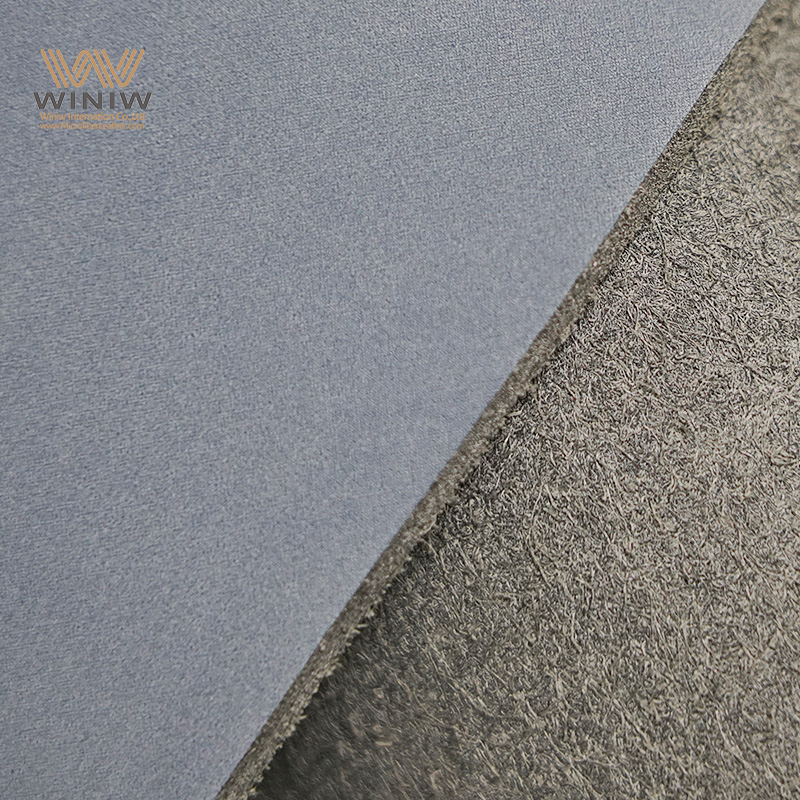
Lorsque je choisis de nouvelles chaussures de travail, je commence toujours par analyser les risques liés à mon environnement professionnel. Je sais que tous les métiers ne présentent pas les mêmes dangers. Certains endroits comportent des objets tranchants au sol, tandis que d'autres ont des sols mouillés ou des équipements électriques. Je me demande quel type de protection me convient le mieux. Voici les principaux critères que je prends en compte avant de choisir ma prochaine paire de chaussures de travail :
Je vérifie si les bottes se rejoignent Certification EN ISO 20345Cela me laisse penser qu'ils respectent les normes de sécurité les plus récentes.
Je recherche une semelle intermédiaire robuste. L'acier ou les matériaux synthétiques à haute résistance aident à protéger mes pieds des clous ou des débris pointus.
Je fais attention à la semelle extérieure. Semelles en PU ou TPR Donnez-moi l'adhérence et la durabilité dont j'ai besoin pour les travaux difficiles.
Je veux que mes bottes de travail soient respirantes. Une bonne aération permet de garder mes pieds au sec et confortables pendant les longues journées de travail.
J'essaie toujours mes bottes pour m'assurer qu'elles me vont bien. Un bon maintien prévient les ampoules et réduit la fatigue.
Je choisis des bottes de travail légères quand c'est possible. Les bottes lourdes me fatiguent les jambes après une longue journée.
Je vérifie la présence de dispositifs de dissipation électrostatique (ESD) si je travaille à proximité de composants électroniques ou de matériaux explosifs.
En tenant compte de ces points, je m'assure que mes bottes de travail me protègent des risques professionnels et me permettent de rester à l'aise toute la journée.
J'ai appris très tôt dans ma carrière que le choix de la bonne pointure est primordial. Quand j'achète des bottes de travail, je les essaie toujours avec les chaussettes que je porte au travail. Je fais un tour dans le magasin pour vérifier le confort. Mes orteils doivent pouvoir bouger librement, mais la botte ne doit pas glisser au talon. J'évite les bottes qui serrent ou frottent, car elles provoquent des ampoules et des irritations.
Je vérifie la largeur autant que la longueur. Certaines marques taillent étroit, d'autres plus larges. En cas de doute sur ma pointure, je demande conseil. Je tiens également compte du fait que les pieds peuvent gonfler lors d'une longue journée de travail. Je prévois donc un peu de marge pour plus de confort. Si je porte des semelles orthopédiques, je les emporte pour les essayer.
Conseil : J’essaie toujours mes bottes de travail en fin de journée. Mes pieds sont alors un peu plus grands, ce qui me permet de trouver la pointure idéale.
Je n'achète jamais de bottes de travail sans vérifier leurs certifications de sécuritéCes étiquettes attestent que les bottes répondent à des normes strictes de protection et de qualité. Voici les critères que je recherche lorsque j'achète des bottes :
Norme/Certification | Description |
|---|---|
EN ISO 20345 | Conforme aux normes de sécurité européennes. Inclut la résistance à l'eau, des propriétés antistatiques et l'absorption d'énergie. |
Obligatoire pour les produits vendus dans l'Espace économique européen. Attestation de conformité aux normes de sécurité de l'UE. | |
CSA | Certification canadienne pour les chaussures de sécurité. Garantit que les bottes répondent aux exigences de sécurité canadiennes. |
Je sais que les chaussures de sécurité certifiées me rassurent. Elles me protègent des glissades, des chocs et autres dangers au travail. Je vérifie toujours l'étiquette à l'intérieur de la chaussure ou la description du produit avant d'acheter.
Choisir les bonnes chaussures de travail, c'est penser aux risques, trouver la pointure idéale et s'assurer qu'elles respectent les normes de sécurité. Je fais confiance à ce processus pour garantir la sécurité et le confort de mes pieds, quel que soit mon lieu de travail.
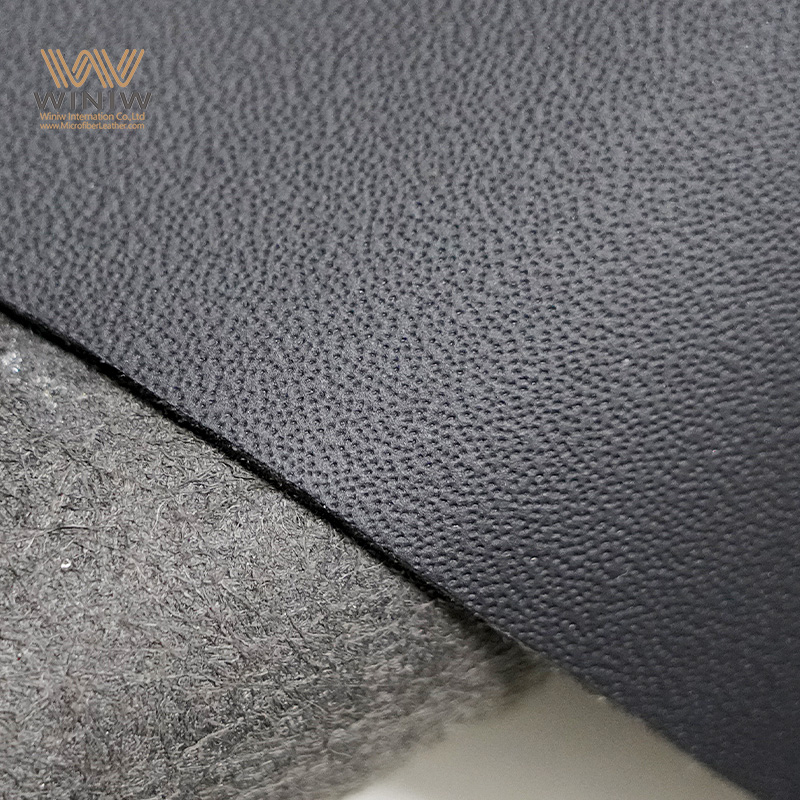
Je recherche toujours des chaussures de sécurité qui me protègent des blessures. Les chaussures de sécurité en polyuréthane me donnent confiance à chaque fois que je me rends sur un chantier. Je sais que les chaussures de sécurité à embout renforcé protègent mes pieds des chutes d'outils et d'équipements lourds. embouts de protection contre les chocsFabriquées en acier ou en matériaux composites, elles répondent aux normes EN et ASTM les plus strictes. Je leur fais confiance car elles m'ont évité plus d'une fois des blessures douloureuses.
Lorsque je marche dans des zones jonchées de débris pointus, je compte sur des semelles intermédiaires anti-perforation. Ces semelles empêchent les clous et le verre d'atteindre mes pieds. Je me souviens avoir marché sur une vis pointue, mais mes bottes de travail l'ont empêchée de me transpercer. Je me sens en sécurité, sachant que mes chaussures subissent des tests rigoureux de résistance aux chocs, d'adhérence et de durabilité. Ces tests garantissent une protection à long terme, notamment dans les environnements à haut risque.
Je suis attentif à la qualité de la semelle et à la profondeur des crampons. Les semelles antidérapantes m'aident à garder l'équilibre sur les sols mouillés ou huileux. La qualité des embouts de sécurité en acier et la résistance à la perforation de la semelle intermédiaire sont importantes pour moi, car elles déterminent la capacité de mes chaussures de travail à affronter les conditions difficiles. J'accorde également de l'importance à la résistance à la chaleur et aux huiles, qui assure ma sécurité en milieu industriel.
Voici quelques caractéristiques que je vérifie toujours avant d'acheter de nouvelles chaussures de sécurité :
Embouts de sécurité résistants aux chocs
Semelles intermédiaires résistantes à la perforation
Semelles antidérapantes à crampons profonds
Résistance à la chaleur et à l'huile pour les applications industrielles
Je crois que le choix de bonnes chaussures de travail réduit les risques de blessures et me permet de travailler sans interruption.
Le confort est tout aussi important que la protection pour moi. Je passe de longues heures debout, j'ai donc besoin de chaussures de travail qui me permettent de rester concentrée et productive. Les chaussures de sécurité en PU offrent cette possibilité. confort et flexibilité supérieursJe constate que la conception ergonomique réduit la fatigue, ce qui fait une grande différence lors des longues journées de travail.
La respirabilité de mes chaussures de sécurité garde mes pieds au frais et au sec. Je me sens moins fatigué et plus énergique lorsque mes chaussures sont bien ajustées et offrent un bon soutien de la voûte plantaire. Je peux bouger librement, m'accroupir et grimper sans aucune gêne. Cette flexibilité me permet de terminer mes tâches plus rapidement et avec moins de pauses.
J'ai vu des études qui démontrent que les travailleurs portant des chaussures de sécurité en polyuréthane ressentent moins de fatigue et sont plus productifs. Quand mes pieds sont confortables, je travaille mieux et j'évite les blessures. Je recommande toujours à mes collègues des bottes de travail offrant un confort accru.
Voici comment les chaussures de sécurité en PU améliorent mon confort et ma productivité :
La conception ergonomique réduit la fatigue
Une flexibilité supérieure permet un mouvement naturel
Les matières respirantes gardent les pieds au sec.
Un soutien fiable pour les longues heures de travail
Choisir les bonnes chaussures de travail me permet de rester à l'aise, en sécurité et productive chaque jour.
Je constate chaque jour au travail comment les chaussures de sécurité protègent mes pieds des chocs, des objets pointus et des glissades. Elles me permettent d'être à l'aise et de rester concentrée pendant les longues journées de travail. Je remarque que les fabricants investissent dans de nouvelles technologies en polyuréthane car de plus en plus de personnes recherchent des chaussures de sécurité durables et écologiques. Le marché des semelles en PU connaît une croissance rapideCela démontre que les chaussures de sécurité constituent un investissement judicieux pour la sécurité au travail. J'encourage toujours chacun à choisir des chaussures de sécurité adaptées à ses besoins et contribuant à des environnements de travail plus sûrs.
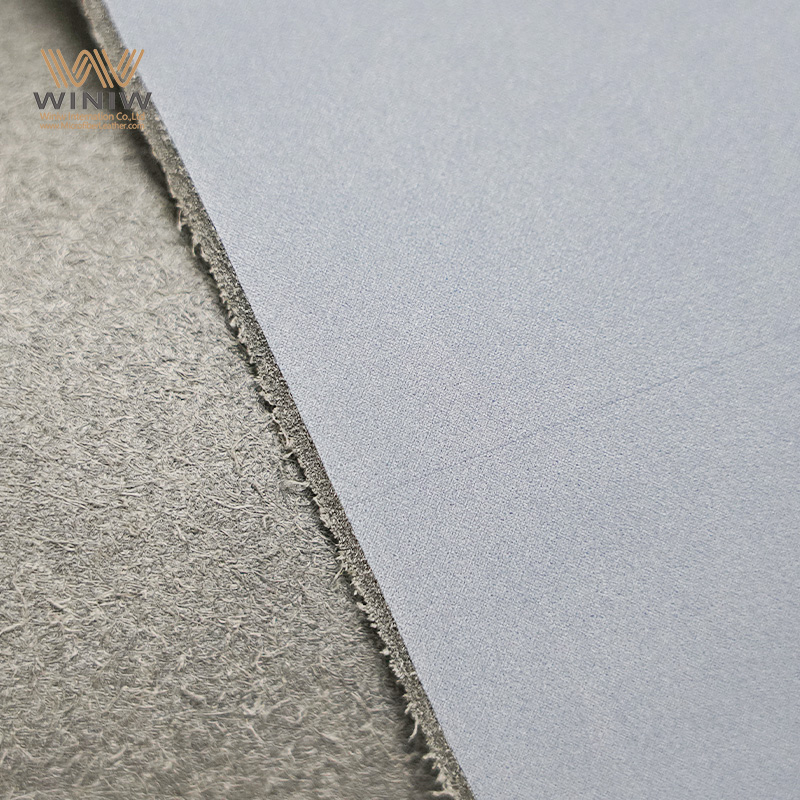
PU signifie polyuréthaneJe vois ce matériau utilisé dans les semelles de mes chaussures de sécurité. Le polyuréthane leur confère légèreté et une excellente absorption des chocs.
Je nettoie mes chaussures de sécurité en polyuréthane avec de l'eau et du savon doux. J'enlève la saleté avec un chiffon doux et je les sèche toujours complètement avant de les porter à nouveau.
Les chaussures de sécurité en polyuréthane sont résistantes à l'eau. Je les porte par temps humide et mes pieds restent au sec. Pour une imperméabilité totale, je vérifie l'étiquette ou je contacte le fabricant.
Oui, les semelles en polyuréthane sont isolantes. Je fais confiance à mes chaussures de sécurité en polyuréthane pour réduire les risques d'électrocution lorsque je travaille à proximité d'équipements électriques.
Mes chaussures de sécurité en polyuréthane durent généralement entre 12 et 18 mois avec une utilisation quotidienne. Je vérifie régulièrement l'état des semelles (fissures, usure) et je les remplace dès que je constate des dommages.
Je trouve Chaussures de sécurité en PU très confortablesLes semelles absorbent les chocs et réduisent la fatigue des pieds. Je peux rester debout et marcher pendant des heures sans douleur.
La plupart des chaussures de sécurité en polyuréthane répondent aux normes EN ISO 20345 ou ASTM. Je vérifie toujours l'étiquette ou la description du produit pour m'assurer que mes chaussures sont certifiées.
Je porte des chaussures de sécurité en polyuréthane par temps froid, mais j'y ajoute des chaussettes chaudes pour plus de confort. Le polyuréthane reste souple et ne se fissure pas même par basses températures.
Business Phone : +8618150976625
E-mail : Hello@MicrofiberLeather.com
Mobile & WhatsApp : +8618150976625
Adresse : W6-302 Shimao Manhadun Shuanglong Road, Jinjiang Quanzhou Fujian China



© droits d'auteur 2022 Winiw International Co., Ltd.Tous les droits sont réservés.
XML | Politique de confidentialité |