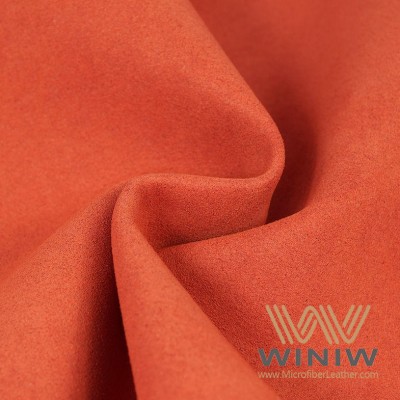
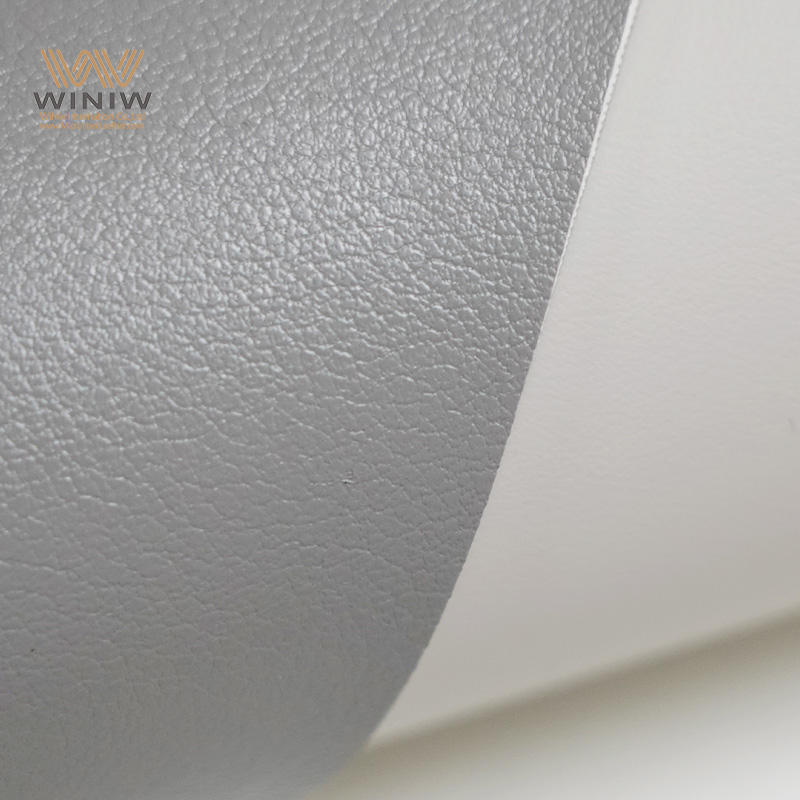
Les bottes en cuir véritable durent plus longtemps. cuir PU Les bottes se distinguent par leur durabilité et leur résistance à l'usure supérieures. Le cuir véritable offre un confort et une respirabilité optimaux, ce qui les rend idéales pour un usage prolongé. Le cuir PU est moins cher, mais il a tendance à se craqueler et à s'écailler avec le temps. De nombreux utilisateurs constatent que les bottes en cuir véritable conservent leur forme et leur aspect pendant des années, tandis que les modèles en cuir PU nécessitent un remplacement plus fréquent. Un entretien approprié peut prolonger la durée de vie des deux types de bottes, mais le cuir véritable offre un meilleur rapport qualité-prix.
Les bottes en cuir véritable durent plus longtemps. que les bottes en cuir PU en raison de leur durabilité supérieure.
Le cuir véritable offre un meilleur confort et une meilleure respirabilité, ce qui le rend idéal pour un port prolongé.
Le cuir PU est plus abordable mais a tendance à se fissurer et à s'écailler avec le temps, nécessitant des remplacements plus fréquents.
Un entretien approprié, comme le conditionnement et le nettoyage, peut prolonger la durée de vie des bottes en PU et en cuir véritable.
Le cuir véritable développe au fil du temps une patine unique, ce qui rehausse son caractère et sa valeur.
Faux cuir Les bottes peuvent paraître belles au départ, mais elles montrent souvent des signes d'usure en moins d'un an, tandis que le cuir véritable peut durer cinq ans, voire plus.
Investir dans des bottes en cuir véritable peut coûter plus cher au départ, mais permet de faire des économies à long terme grâce à leur durabilité.
Le choix entre le PU et le cuir véritable dépend de vos priorités : style et coût contre durabilité et confort.
bottes en cuir PU, souvent appelées bottes en simili cuirCes chaussures sont fabriquées à partir d'un matériau synthétique obtenu en enduisant une base textile de polyuréthane. Ce procédé leur confère un aspect et une texture uniformes, ce qui explique leur popularité auprès de ceux qui recherchent une alternative abordable au cuir véritable. Les fabricants proposent une grande variété de finitions pour le similicuir, permettant ainsi de créer une multitude de styles.
Faux cuir Ces bottes offrent une durabilité modérée pour un usage quotidien. Leur structure multicouche en polyuréthane leur confère une certaine résistance à l'eau, mais n'égale pas la robustesse du cuir véritable. Avec le temps, le cuir PU a tendance à se craqueler et à s'écailler, notamment aux endroits fréquemment sollicités. Le tableau ci-dessous met en évidence ces points. principales différences en termes de structure et de durabilité des matériaux:
Fonctionnalité | cuir PU | cuir véritable |
|---|---|---|
Structure matérielle | Polyuréthane en couches sur tissu | peau animale naturelle |
Durabilité | Moins durable, sujet à l'usure | Plus résistant à l'usure |
respirabilité | Non poreux, ne respire pas | Poreux, permet la respirabilité |
Besoins en soins | Nécessite moins d'entretien, aucun conditionnement | Nécessite un entretien régulier |
Les polyuréthanes haut de gamme peuvent améliorer la durée de vie et l'apparence des bottes en similicuir, mais même les versions de haute qualité restent plus fragiles que le cuir de vachette véritable. Leur résistance à l'eau est appréciable en cas de pluie fine, mais les bottes en similicuir ne sont pas imperméables. Une exposition importante ou prolongée à l'humidité peut accélérer leur détérioration.
Le confort des bottes en similicuir dépend du type de polyuréthane utilisé. La plupart des modèles manquent de respirabilité car le matériau est non poreux. Cela peut entraîner une accumulation de chaleur et d'humidité à l'intérieur des chaussures, réduisant ainsi le confort lors d'un port prolongé. Certains similicuir haut de gamme tentent d'imiter le toucher du cuir véritable, mais ils atteignent rarement le même niveau de souplesse et de flexibilité. Pour celles et ceux qui privilégient le confort, le similicuir n'est peut-être pas la meilleure option, notamment par temps chaud ou lors d'un usage prolongé.
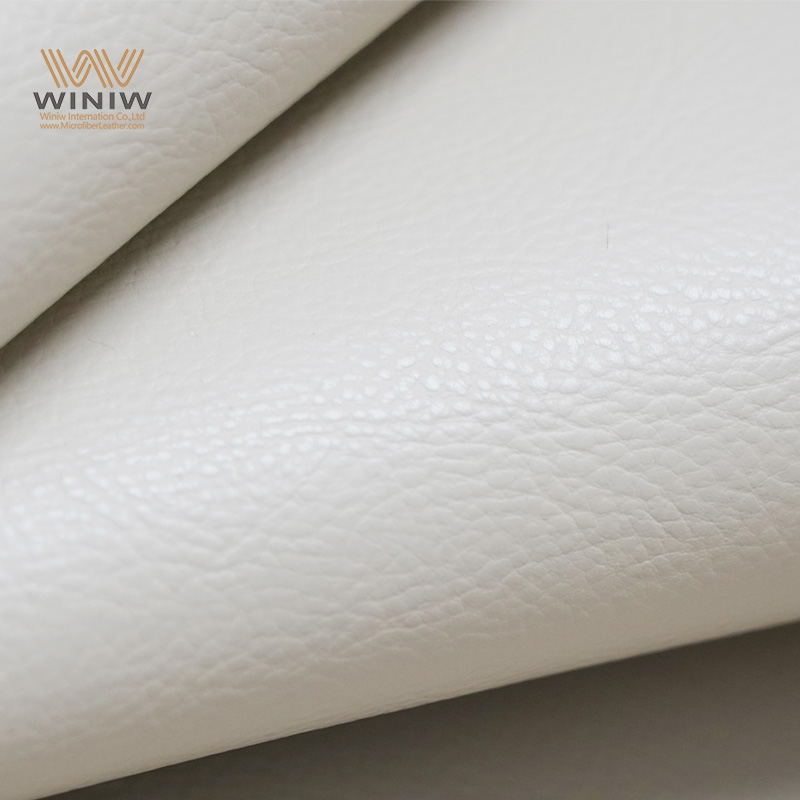
Les bottes en cuir véritable sont fabriquées à partir de peau animale naturelle, le plus souvent du cuir de vachette. Ce matériau offre des caractéristiques uniques qui le distinguent des alternatives synthétiques. Chaque paire de bottes en cuir présente un grain unique, ce qui contribue à son charme et à sa valeur.
Les bottes en cuir véritable sont réputées pour leur durabilité. La structure naturelle des fibres du cuir véritable résiste à l'usure, ce qui les rend idéales pour les environnements exigeants. Avec un entretien approprié, le cuir véritable peut durer de nombreuses années, surpassant souvent plusieurs paires de bottes en simili cuir. Le tableau ci-dessus illustre la supériorité du cuir véritable sur le cuir PU en termes de résistance et de longévité. Un entretien régulier, comprenant l'application d'un produit nourrissant et le nettoyage, préserve le matériau et prévient les craquelures.
Les bottes en cuir véritable offrent un confort supérieur grâce à leur matière poreuse. Ce matériau permet à l'air de circuler, ce qui contribue à réguler la température et l'humidité à l'intérieur de la chaussure. Cette respirabilité réduit les risques d'inconfort lors d'un port prolongé. Avec le temps, le cuir véritable se moule à la forme du pied, améliorant ainsi le maintien et le confort. De nombreuses personnes constatent que les bottes en cuir véritable deviennent plus confortables avec l'âge, développant une patine unique qui leur confère caractère et style.
Remarque : Le choix entre le similicuir et le cuir véritable dépend des priorités de chacun. Ceux qui recherchent la durabilité et le confort privilégient souvent les bottes en cuir véritable, tandis que les bottes en similicuir séduisent ceux qui privilégient le prix et la variété des styles.
Bottes en simili cuir Les bottes en similicuir offrent une résistance modérée à l'usure quotidienne. Leur revêtement en polyuréthane leur confère une finition lisse, mais elles manquent de la robustesse du cuir véritable. On constate souvent que les chaussures en similicuir présentent des plis et des éraflures superficielles après quelques mois d'utilisation régulière. Les bottes en cuir véritable, notamment celles en cuir de vachette, résistent bien mieux aux frottements et aux mouvements du quotidien. Les fibres naturelles du cuir véritable répartissent les contraintes sur toute la botte, réduisant ainsi le risque d'usure prématurée.
Type de cuir | Exigences de maintenance | |
|---|---|---|
cuir véritable | Plus résistants, notamment dans les zones à fort contact | Nécessite un entretien régulier pour éviter le dessèchement et les fissures. |
cuir PU | Moins durable, sujet aux fissures et aux déchirures | Maintenance minimale requise, mais durée de vie réduite. |
L'usage intensif révèle les limites du similicuir. Les travailleurs, les randonneurs et les amateurs de plein air constatent souvent que les bottes en similicuir se détériorent rapidement dans des conditions difficiles. Des craquelures et des déchirures apparaissent aux points de flexion, et les bottes perdent leur intégrité structurelle. Les bottes en cuir véritable, en revanche, conservent leur forme et leurs propriétés protectrices même après une exposition répétée à des terrains accidentés. Le cuir véritable absorbe les chocs et résiste à l'abrasion, ce qui en fait le choix privilégié pour les environnements exigeants. durabilité Le cuir véritable garantit que les bottes restent fonctionnelles et esthétiques pendant des années.
Les bottes en similicuir offrent une certaine résistance à la pluie fine grâce à leur revêtement synthétique. L'eau perle à leur surface, mais une exposition prolongée peut entraîner des infiltrations d'humidité au niveau des coutures et causer des dommages. Les bottes en similicuir peuvent commencer à s'écailler ou à se déformer si elles restent humides longtemps. Les bottes en cuir véritable, correctement entretenues, sont imperméables et conservent leur forme. Les produits d'entretien renforcent l'imperméabilité du cuir véritable, permettant ainsi aux bottes de résister à l'humidité sans compromettre le confort ni la durabilité.
Le soleil et la chaleur présentent des défis particuliers pour les deux matériaux. Le cuir PU a tendance à devenir cassant et à se craqueler lorsqu'il est exposé à de hautes températures sur une longue période. La couche synthétique ne peut se dilater et se contracter naturellement, ce qui entraîne des dommages en surface. Les bottes en similicuir perdent souvent leur couleur et leur souplesse sous l'effet direct du soleil. Les bottes en cuir véritable résistent mieux à la chaleur, car les fibres naturelles permettent une adaptation progressive. Le cuir véritable peut foncer ou prendre une teinte plus riche, mais il souffre rarement du même degré de craquelures ou de décollement. Un entretien approprié, comme le rangement des bottes à l'abri de la lumière directe du soleil, préserve leur apparence et leur qualité.
Le vieillissement révèle les différences entre le similicuir et le cuir véritable. Les bottes en similicuir se fissurent et commencent à s'écailler après quelques années d'utilisation. La couche synthétique se détache de la base en tissu, ce qui entraîne des dommages visibles et une perte d'attrait. Les utilisateurs constatent que les bottes en similicuir perdent leur texture et leur couleur d'origine, ce qui leur donne un aspect usé et moins esthétique. Le fait que le similicuir ne soit pas respirant contribue également à l'inconfort au fil du temps.
Fonctionnalité | Cuir véritable | cuir PU |
|---|---|---|
Durabilité | Évolue avec l'usage, développe une patine | Tendance à se fissurer, à s'écailler et à se délaminer |
respirabilité | Respirant et confortable | Non respirant, peut donner une sensation d'humidité |
Vieillissement | Acquiert du caractère et de la valeur | Ça perd de son attrait, ça s'use tout simplement. |
Les bottes en cuir véritable développent une patine unique Au fil du temps, ce processus de vieillissement naturel rehausse l'esthétique et la valeur des bottes. Chaque éraflure et chaque pli leur confère un caractère unique, rendant chaque paire de bottes en cuir singulière. La patine est un gage de qualité et d'authenticité, qualités que les matières synthétiques comme le simili cuir ne peuvent égaler. Les propriétaires de bottes en cuir véritable apprécient la façon dont la matière épouse la forme de leurs pieds, améliorant le confort à chaque utilisation. La longévité du cuir véritable garantit que les bottes resteront élégantes et fonctionnelles pendant de nombreuses années.
La patine unique qui se développe au fil des années d'utilisation rehausse l'attrait esthétique des bottes en cuir.
Chaque éraflure et chaque pli contribuent au caractère unique de la botte, la rendant ainsi unique.
Ce processus de vieillissement est un gage de qualité, car c'est quelque chose que les matériaux synthétiques ne peuvent pas reproduire.
Conseil : Un entretien régulier et un rangement approprié permettent aux bottes en cuir véritable de conserver leur patine et leur durabilité, assurant ainsi un confort et un style durables.
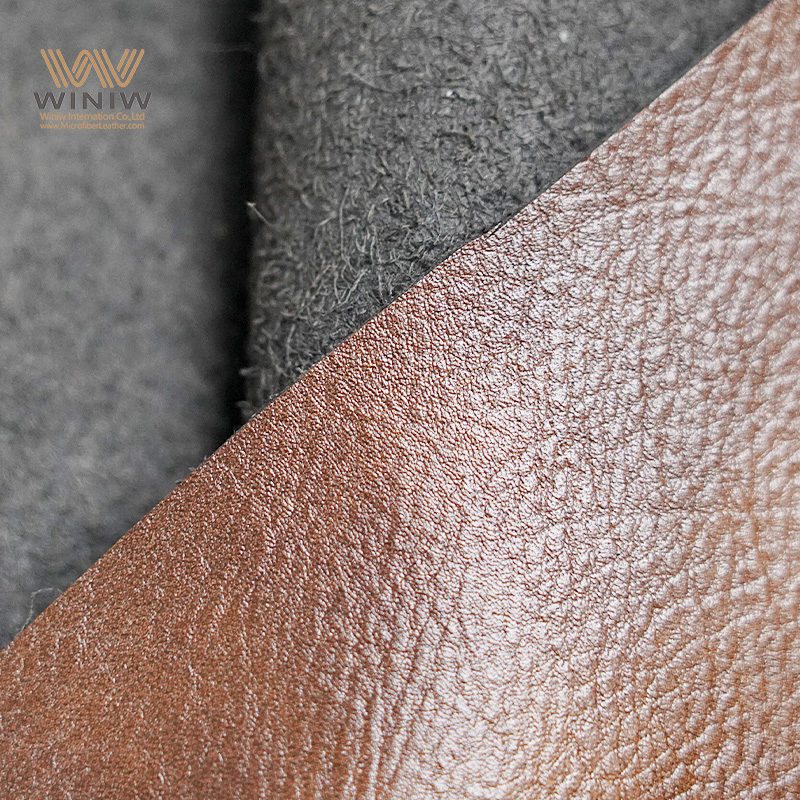
Pour préserver l'apparence et le confort de vos bottes en similicuir, suivez une routine de nettoyage simple. Utilisez un chiffon doux et humide pour enlever la poussière et les saletés. En cas de taches tenaces, appliquez une solution de savon doux et frottez délicatement la zone concernée. Évitez de tremper le similicuir dans l'eau, car l'humidité excessive peut fragiliser les couches adhésives. Après le nettoyage, laissez sécher les bottes à l'air libre à température ambiante. N'utilisez jamais de source de chaleur directe, comme un sèche-cheveux, car les températures élevées peuvent déformer ou craqueler le matériau. Un nettoyage régulier permet de préserver l'aspect des bottes en similicuir et d'en prolonger la durée de vie.
négliger bottes en simili cuir Cela entraîne une détérioration rapide. La saleté et les impuretés s'accumulent à la surface, provoquant une décoloration et une perte de brillance. Avec le temps, le revêtement synthétique du similicuir commence à s'écailler et à se craqueler, notamment au niveau des zones de flexion. L'humidité emprisonnée à l'intérieur des chaussures peut créer une odeur désagréable et réduire le confort. Si elles ne sont pas nettoyées, les bottes en similicuir perdent leur aspect initial et peuvent devenir inutilisables en peu de temps. Un entretien régulier est donc essentiel pour prolonger au maximum la durée de vie de ses bottes.
Bottes en cuir véritable Un entretien plus rigoureux est nécessaire pour garantir leur durabilité et leur qualité à long terme. Les propriétaires doivent nourrir leurs bottes en cuir. tous les trois à six moisCela dépend de l'usage et du climat. Dans les environnements secs ou froids, il est conseillé d'augmenter la fréquence d'entretien pour éviter les craquelures. Pour un résultat optimal, privilégiez une graisse naturelle à base de cire d'abeille et de lanoline. Ce type de produit nourrit le cuir de vachette véritable sans le saturer, ce qui contribue à prévenir les dégâts d'eau et à préserver l'intégrité du matériau.
Un rangement adéquat est essentiel pour préserver le cuir véritable. Rangez vos bottes dans un endroit frais et sec, à l'abri de la lumière directe du soleil. Utilisez des embauchoirs ou bourrez-les de papier sans acide pour les aider à conserver leur forme. Ces précautions protègent le cuir du gauchissement et préservent l'aspect impeccable de vos bottes.
Conseil : Un entretien régulier et des méthodes de rangement appropriées permettent aux bottes en cuir véritable de développer une riche patine, améliorant ainsi leur confort et leur valeur au fil du temps.
Négliger l'entretien de bottes en cuir véritable peut entraîner des dommages importants. Sans un entretien régulier, le cuir se dessèche et devient cassant, ce qui provoque des craquelures et des plis permanents. L'exposition à l'humidité, sans séchage adéquat, favorise le développement de moisissures et de mauvaises odeurs. Ranger ses bottes dans des endroits humides ou ensoleillés accélère la décoloration et fragilise leur structure. Avec le temps, un cuir véritable négligé perd son éclat et sa souplesse naturels, ce qui réduit le confort et la durabilité. Un entretien régulier garantit que les bottes en cuir restent un choix fiable et élégant pendant des années.
Les consommateurs tiennent souvent compte du prix avant d'acheter de nouvelles bottes. options en similicuirLes bottes en similicuir, notamment celles en cuir PU, coûtent généralement moins cher que leurs équivalents en cuir véritable. Les fabricants peuvent produire du similicuir à moindre coût car les matériaux et les procédés sont moins onéreux. Cet écart de prix se retrouve chez de nombreuses marques et sur de nombreux marchés.
Le tableau suivant compare les prix moyens de deux types de bottes populaires :
Type de démarrage | Prix moyen (par paire) | Matériel | Certifié en matière de sécurité ? | MOQ |
|---|---|---|---|---|
Bottes de travail à embout d'acier | Cuir véritable + semelle en caoutchouc | Oui (ASTM F2413) | 100 pièces | |
Bottes Chelsea tendance | 14 $ | Cuir PU + Semelle TPR | No | 50 pièces |
Une paire de bottines Chelsea tendance en similicuir coûte moins de la moitié du prix d'une chaussure de sécurité à embout d'acier en cuir véritable. Cet écart de prix séduit les acheteurs à la recherche de chaussures abordables pour un usage quotidien ou occasionnel.
Un faible coût initial ne signifie pas toujours un meilleur rapport qualité-prix. Bottes en simili cuirLes bottes en similicuir, notamment celles en PU, s'usent généralement plus vite que les bottes en cuir véritable. Le matériau synthétique a tendance à se fissurer, à s'écailler ou à se déformer après une courte période. De nombreux utilisateurs constatent qu'ils doivent remplacer leurs bottes en similicuir tous les un à deux ans, selon leur utilisation et leur entretien.
Les bottes en cuir véritable, notamment celles en cuir de vachette véritable, offrent une durabilité supérieure. Selon leurs propriétaires, elles peuvent durer cinq ans, voire plus, avec un entretien adéquat. Les fibres naturelles du cuir véritable résistent à l'usure quotidienne et préservent le confort au fil du temps. Cette longévité réduit la fréquence des remplacements.
Le rapport qualité-prix dépend à la fois du prix et de la durée de vie. Si les bottes en similicuir représentent un investissement initial moindre, leur courte durée de vie augmente les dépenses à long terme. Remplacer des bottes en similicuir chaque année engendre rapidement des coûts supplémentaires. À l'inverse, les bottes en cuir véritable coûtent plus cher à l'achat, mais offrent un meilleur rapport qualité-prix sur le long terme grâce à leur durabilité et leur qualité.
Conseil : Les acheteurs qui privilégient le confort et les économies à long terme devraient envisager d’investir dans des bottes en cuir véritable. Ces bottes offrent un soutien supérieur, une excellente respirabilité et un style qui se bonifie avec le temps.
Un simple calcul suffit à démontrer la différence. Acheter une paire de bottes en cuir véritable à 32 $ qui dure cinq ans revient moins cher par an que d'acheter cinq paires de bottes en simili cuir à 14 $ chacune sur la même période. Le cuir véritable offre également une patine unique et une qualité supérieure, ce qui en fait un choix judicieux pour ceux qui accordent autant d'importance à l'esthétique qu'à la performance de leurs chaussures.
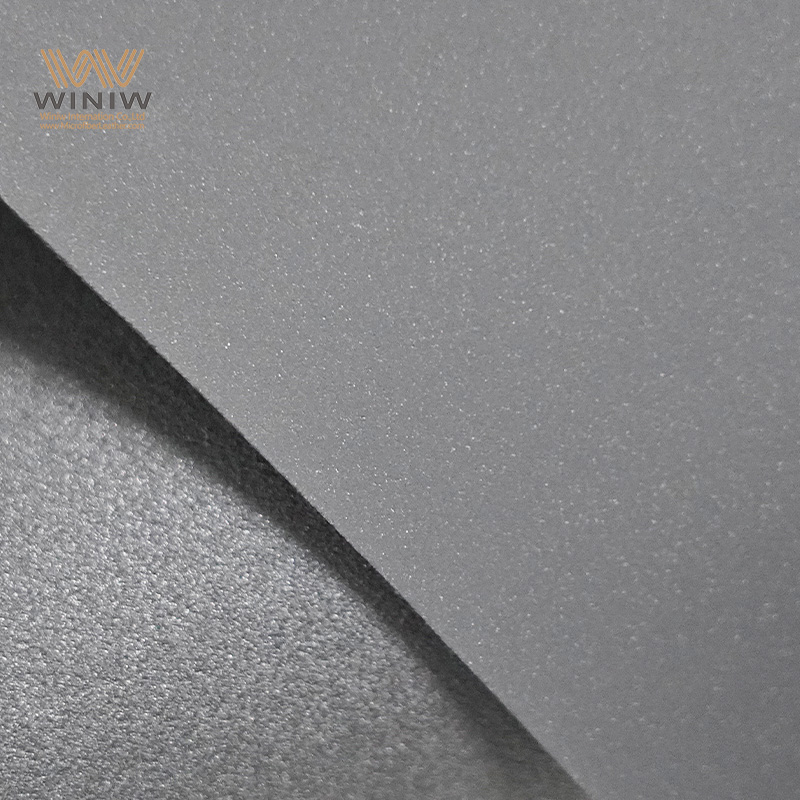
Bottes en simili cuir En général, leur durée de vie est plus courte que celle des bottes en cuir véritable. La plupart des utilisateurs indiquent qu'elles durent entre un et deux ans avec un usage régulier. La composition synthétique du similicuir limite sa résistance aux contraintes quotidiennes. Nombreux sont ceux qui constatent que le matériau présente des signes d'usure visibles dès la première année, notamment aux endroits les plus sollicités. Pour une utilisation occasionnelle, la durée de vie peut légèrement augmenter, mais la durabilité globale reste limitée.
Les bottes en similicuir présentent plusieurs problèmes récurrents pour leurs utilisateurs. Le plus souvent, on constate un décollement et des craquelures, qui apparaissent généralement après une courte période. La surface synthétique ne peut pas s'étirer et reprendre sa forme comme le cuir véritable, ce qui entraîne des déchirures et un effritement. Les utilisateurs signalent également d'autres problèmes :
Réactions allergiques, notamment chez les personnes sensibles aux matériaux synthétiques.
Dommages environnementaux, car la production et l'élimination du similicuir contribuent à la pollution.
Effets sur la santé liés à l'exposition à certains produits chimiques utilisés dans la fabrication.
L'humidité et la chaleur accélèrent la dégradation du similicuir. Les bottes peuvent se déformer et leur surface peut devenir collante ou se décolorer. De nombreux utilisateurs déplorent le manque d'options de réparation, car les dommages causés au similicuir sont généralement irréversibles.
Les bottes en cuir véritable se distinguent par leur impressionnante longévité. De nombreux propriétaires et experts s'accordent à dire que ces bottes peuvent durer plus de cinq ans avec des soins de baseLe tableau suivant résume les expériences et les avantages communs :
Type de preuve | Détails |
|---|---|
Éloges communes | Dure plus de cinq ans avec des soins de base |
Avantages | Longue durée de vie avec des soins appropriés (souvent plus de 5 ans) |
réparabilité | Réparable par ressemelage et remplacement du talon |
Chaussures en cuir véritable Il s'agit souvent d'un investissement à long terme. Le cuir supporte bien l'entretien et peut être restauré par des services de réparation professionnels. Nombreux sont ceux qui conservent leurs chaussures en cuir véritable pendant une décennie, voire plus, surtout en suivant les recommandations d'entretien.
Malgré leur robustesse, les bottes en cuir véritable peuvent présenter des problèmes si elles sont négligées. Les problèmes les plus courants sont les suivants :
Le cuir perd ses huiles avec le temps.ce qui peut entraîner son dessèchement et des fissures.
Le cuir sec peut devenir rigide, rendant les bottes inconfortables à porter.
Les dégâts d'eau peuvent affaiblir les fibres du cuir., ce qui entraîne des fissures et une rigidité.
Négliger l'imperméabilisation peut entraîner des fissures dans le cuir.
Un manque d'entretien adéquat peut rendre les bottes rigides et inconfortables.
Les propriétaires qui entretiennent et imperméabilisent régulièrement leurs bottes évitent la plupart de ces problèmes. Le cuir véritable se patine avec le temps, ce qui est considéré par beaucoup comme un gage de qualité et de caractère. Contrairement au simili cuir, les chaussures en cuir véritable peuvent être réparées et restaurées, ce qui prolonge leur durée de vie et préserve leur confort.
Remarque : Le choix entre chaussures en similicuir et en cuir véritable dépend des priorités. Ceux qui privilégient la durabilité, la réparabilité et le confort optent souvent pour des bottes en cuir véritable, tandis que le similicuir séduit ceux qui recherchent un style éphémère à moindre coût.
Choisir les bonnes bottes nécessite de bien comprendre leur durabilité. Le cuir véritable se distingue par sa grande longévité. De nombreux utilisateurs constatent que cuir véritable Le cuir véritable conserve sa structure et son confort pendant des années. Le similicuir, bien qu'esthétiquement attrayant, présente souvent des signes d'usure plus rapidement. Le matériau peut se craqueler ou s'écailler, surtout en cas d'utilisation fréquente. Les cuirs véritables résistent aux agressions quotidiennes et acquièrent une patine unique au fil du temps. Le similicuir, quant à lui, a tendance à perdre son aspect d'origine en vieillissant.
Lorsqu'on compare des bottes, le cuir véritable surpasse systématiquement cuir PU en matière de durabilité et de confort. Le tableau suivant met en évidence principales différences:
Facteur | cuir PU | cuir véritable |
|---|---|---|
Durabilité | Moins durable, sujet aux fissures | Plus résistant à l'usure |
Confort | Moins respirant, peut sembler plus rigide | S'adapte à la forme du pied, plus confortable |
Coût | Plus abordable | Généralement plus cher |
Pour une qualité durable, privilégiez le cuir véritable. Ceux qui privilégient le prix ou un style éphémère préféreront peut-être le cuir PU. En définitive, chacun devrait tenir compte de l'usage prévu, du style et du budget avant de choisir ses bottes.
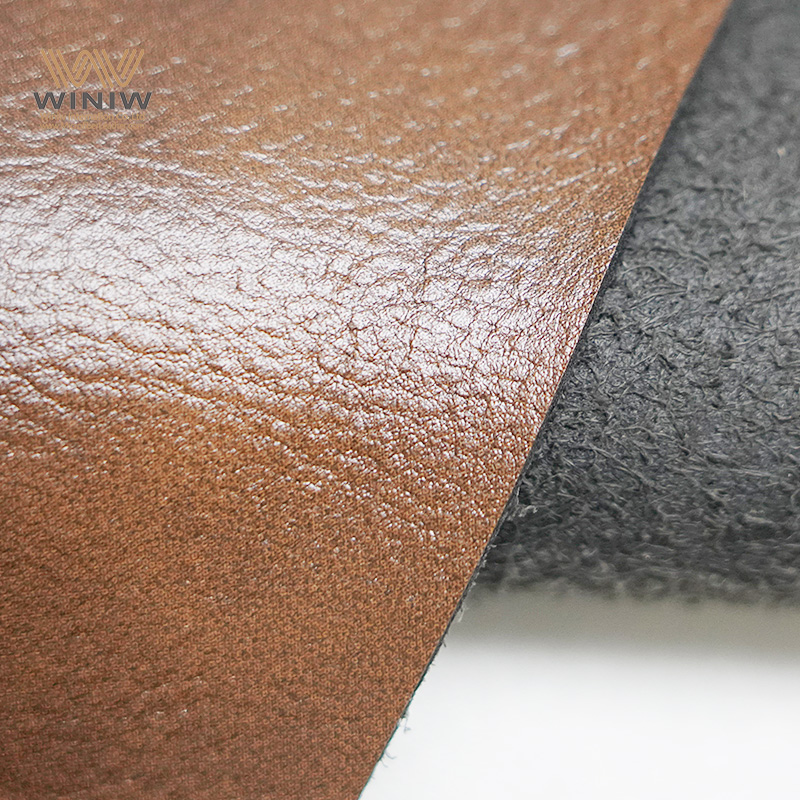
Le cuir véritable présente un grain naturel et une odeur caractéristique. Le cuir PU, quant à lui, est plus uniforme au toucher et dégage souvent une odeur chimique. Un test avec une goutte d'eau peut s'avérer utile : le cuir véritable absorbe l'humidité, tandis que le cuir PU la repousse.
Les fabricants conçoivent le cuir PU pour qu'il résiste à l'eau. Les sprays imperméabilisants sont peu efficaces. Il est important de garder les bottes en PU sèches et propres pour éviter qu'elles ne s'écaillent ou ne se fissurent.
Oui, les cordonniers peuvent réparer les bottes en cuir véritable. Ils peuvent les ressemeler, les rapiécer ou les rénover. Cette possibilité de réparation prolonge leur durée de vie et préserve leur valeur.
Les bottes en similicuir offrent une protection de base par temps doux. Elles manquent d'isolation et peuvent se fissurer en cas de grand froid. Les bottes en cuir véritable, correctement entretenues, offrent une meilleure chaleur et une plus grande durabilité dans les climats hivernaux rigoureux.
Rangez vos bottes en cuir dans un endroit frais et sec. Utilisez des embauchoirs ou bourrez-les de papier sans acide pour qu'elles conservent leur forme. Évitez l'exposition directe au soleil et les endroits humides pour prévenir la décoloration et la formation de moisissures.
Oui, les bottes en cuir véritable s'adaptent progressivement à la forme du pied. La matière s'assouplit et s'étire légèrement, offrant un ajustement personnalisé et un confort accru au fil du temps.
La production de cuir PU utilise des plastiques et des produits chimiques, ce qui peut nuire à l'environnement. Le cuir véritable a lui aussi un impact environnemental, mais il dure souvent plus longtemps, réduisant ainsi les déchets liés aux remplacements fréquents.
Nourrissez vos bottes en cuir véritable tous les trois à six mois. La fréquence dépend du climat et de l'usage. Un entretien régulier prévient le dessèchement et les craquelures, et préserve la souplesse et l'aspect du cuir.
Business Phone : +8618150976625
E-mail : Hello@MicrofiberLeather.com
Mobile & WhatsApp : +8618150976625
Adresse : W6-302 Shimao Manhadun Shuanglong Road, Jinjiang Quanzhou Fujian China



© droits d'auteur 2022 Winiw International Co., Ltd.Tous les droits sont réservés.
XML | Politique de confidentialité |