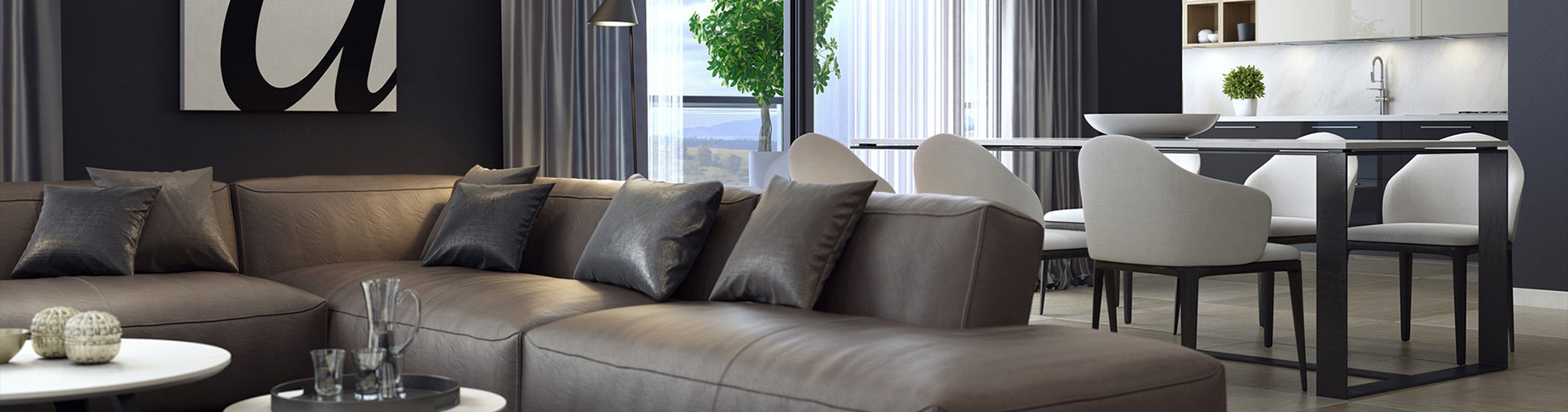
Open a pandora velvet jewelry box and the judgement is already made. The lid lifts, the pile catches the light, and somewhere in the first two seconds the buyer decides whether the piece inside is worth what it cost. None of that decision is made by the logo. It is made by the layer the jewelry sits on, and by the shell that layer is glued to.
This page is written for the people who have to specify that layer: packaging developers at jewelry brands, box makers quoting a bridal or gifting programme, and buyers comparing swatch books from three suppliers. It works backwards from the finished box to the two materials that make it, a suede-like lining on the inside, a coated shell on the outside, and it says plainly where our measured data ends.
A note on the name: brand names appear here only because buyers search with them. WINIW supplies lining and covering material to box makers; we do not manufacture boxes for, or represent, any jewelry brand mentioned on this page. What follows is how this class of box is built, not a description of anyone’s private process.
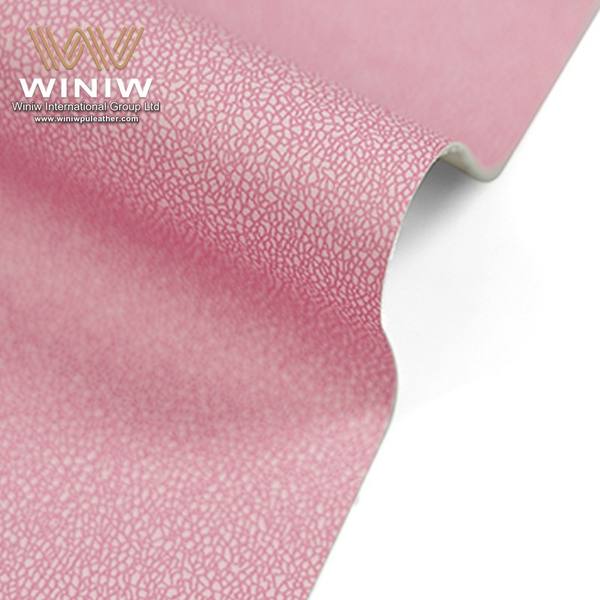
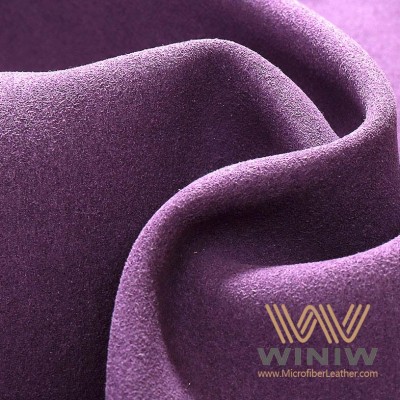
In retail copy, velvet is an adjective. Inside a pandora velvet jewelry box it is a construction. Velvet describes a cut-pile surface: fibres standing up from a base, dense enough that light reflects off the tips and the surface changes shade as the pile direction changes. Silk, cotton, viscose and polyester can all be made into velvet, so the word tells you how the surface is built, not what it is made of.
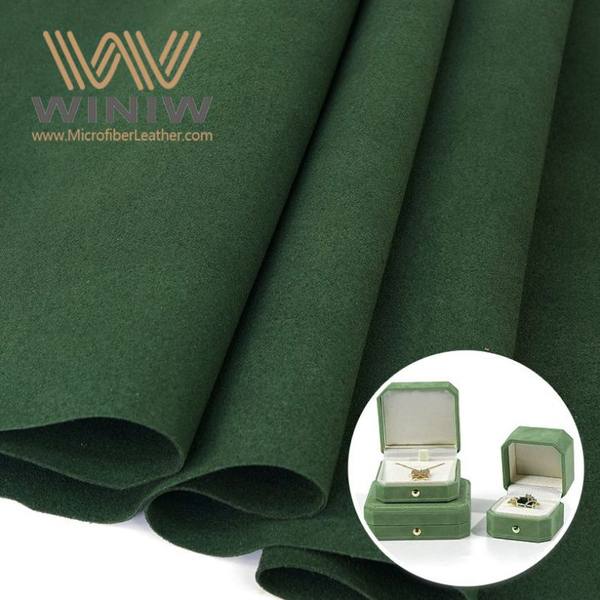
That distinction matters the moment a brand asks for “the velvet like the one in the box we saw at the counter”. What they are usually pointing at is not a woven silk velvet. It is a microfiber suede, a fine-fibre material, brushed or cut to a short uniform pile, bonded to a thin backing so it can be cut, folded and glued without fraying. It reads as velvet to the customer and behaves like a sheet to the box maker. That behaviour is the whole reason it exists.
A lined box is a stack of decisions, and each layer constrains the next. The rigid shell, greyboard, MDF or wood, sets the geometry. Wadding softens the lid and takes up the gap between board and fabric. The lining is the only layer the customer ever touches, and it has to do three jobs at once: look deep, feel soft, and survive being glued around a corner without wrinkling.
Flocking is the cheapest of the three and the easiest to spot after two years of use. Short fibres are sprayed onto an adhesive-coated panel and cured in an electrostatic field. There is no carrier, so the surface has nothing to hold it together: it scuffs through at the corners, shows the board underneath, and cannot be re-covered without stripping the panel. It is right for a printed display card. It is wrong for a box that will be opened in a shop every day.
Woven velvet is the material most people picture: a pile woven into a ground cloth, with drape and a deep directional sheen. It is beautiful on a large flat lid and difficult on a 6 mm radius, because the pile moves under the adhesive and the cut edge wants to unravel. In production it is usually reserved for show pieces where labour cost is not the constraint.
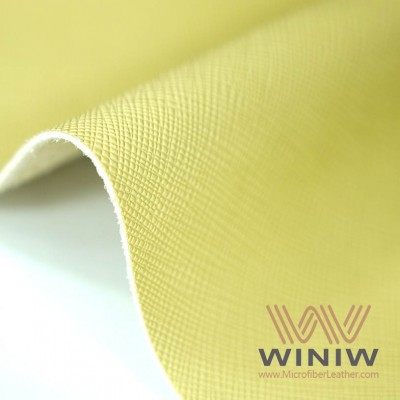
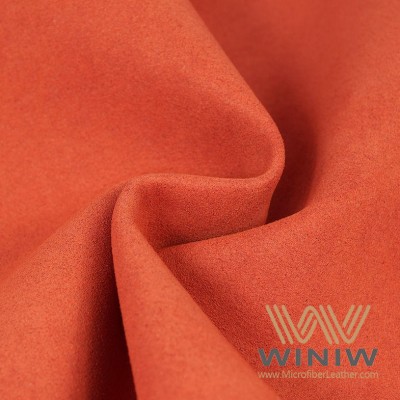
Microfiber suede sits between the two, and it is what most serious jewelry packaging ends up using. The fibre is fine enough to give a dense, short pile; the backing gives the sheet dimensional stability, so the material cuts cleanly, holds a die-cut shape, and takes adhesive without strike-through. Our lining range for this trade runs at 0.4 mm, 0.5 mm and 0.6 mm, in the colours a packaging programme normally needs. If you want the full specification of the velvet-faced option rather than the suede-faced one, that sits on the velvet suede page.
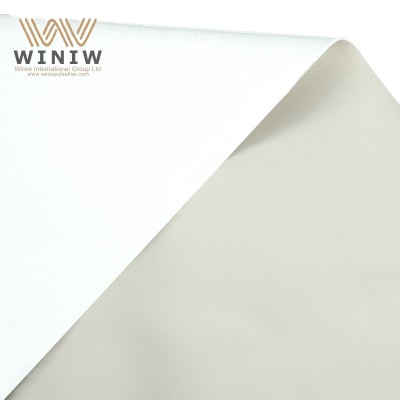
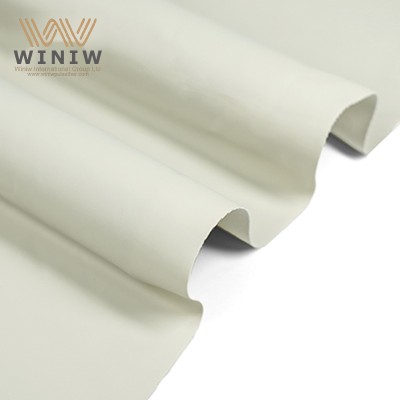
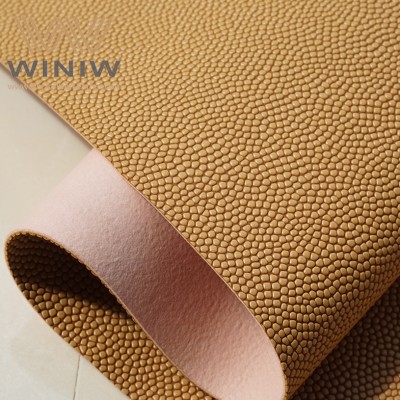
The lining only looks flat because something underneath it is flat. On a wrapped box that something is a coated sheet, a polyurethane face over a woven backing, glued and turned over the board edge. The face is what the customer sees when the box is closed. The backing is what the box maker actually fights with.
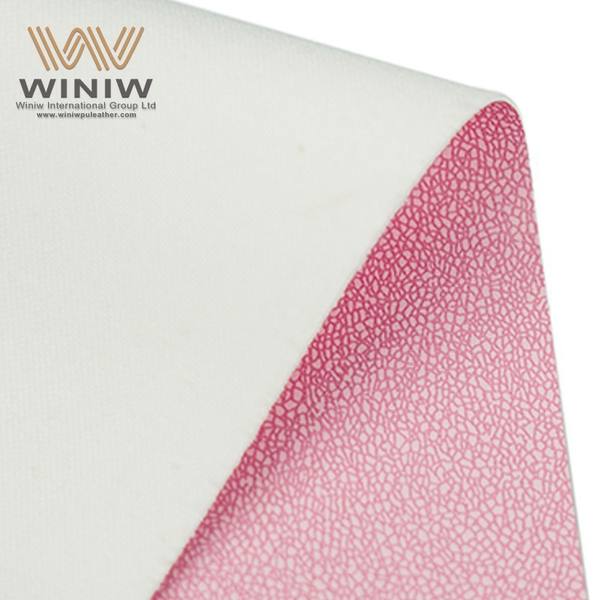
Three things go wrong at that turn. A backing that is too stiff will not follow a tight radius, so the corner lifts within a week. A backing that is too loose will stretch under the glue and leave a ripple along the lid edge. A face that is too thick relative to the board will telegraph the board’s cut line through the surface. None of these show up on a flat swatch. They show up on the first production box, which is why the corner is the only test worth running before a bulk order.
Roll width decides how much of that material you throw away. Our coated sheet for packaging runs at 54″ / 137 cm, which is a deliberate compromise: wide enough to wrap a full lid in one piece without a seam, narrow enough that a small ring box does not leave half the roll on the floor. If your box range is mostly small, ask for a cutting plan before you ask for a price.
Two materials carry a velvet jewelry box, and they are specified separately. The table below lists what we hold data for. Where a row is not measured, it says so, it is not replaced with an estimate.
|
Parameter
|
Microfiber suede lining
|
Data status
|
|
Thickness
|
0.4 / 0.5 / 0.6 mm
|
Specification sheet
|
|
Construction
|
Fine-fibre pile on a thin backing
|
Specification sheet
|
|
Roll width
|
Confirmed per order
|
Specification sheet
|
|
Minimum order
|
300 m
|
Standard terms
|
|
Surface options
|
Flat suede, velvet-faced, embossed
|
Colour card
|
|
Cutting
|
Die-cut sheets and trays available
|
Per project
|
|
Weight, abrasion, peel strength, colour fastness
|
Not held as measured values for this grade
|
Can be run to the same method on request
|
The last row is the one most supplier pages leave out. A velvet box is usually bought on look and feel, and a page that quotes an abrasion figure the factory never measured is worse than a page that says nothing. If you need a number for a tender document, tell us the method and the panel size and we will have it tested rather than estimated.
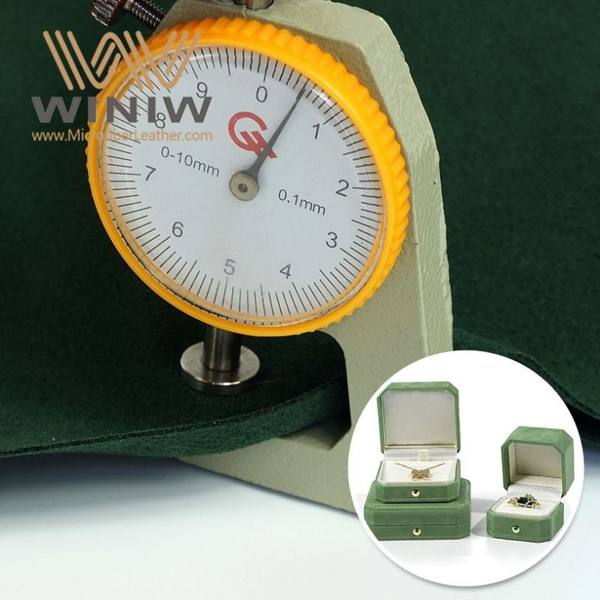
Thickness on a jewelry lining is not a preference, it is a fit. A 0.4 mm sheet wraps a tight radius and closes a lid flush. A 0.6 mm sheet gives a deeper, plusher read and takes up more space inside the box, which is fine in a drawer liner and wrong in a ring slot that was cut for a thin tray. Change one number and the insert has to change with it.
We check with a micrometer at several points across the roll rather than once at the head end, because pile and backing vary along a run and the reading at the first metre is the most flattering one. That is why buyers specifying a pandora velvet jewelry box usually ask for the three gauges side by side before they choose. The reading in the photo is a 0.6 mm grade held between the anvils with the pile compressed, the operator records the value and the position, and the roll carries that record to packing. It is a simple habit, and it is the difference between arguing about a complaint with data and arguing without it.
A pandora velvet jewelry box can be perfectly lined and still photograph badly, because the insert is what fills the frame when the lid opens. Ring slots, earring posts, a necklace tab, a watch pillow: each one is a piece of the lining material wrapped over a shaped core, and each one fails differently. Slots that are cut a fraction wide let the ring sit down and disappear. Slots that are cut tight grip the shank and mark the plating on the way out.
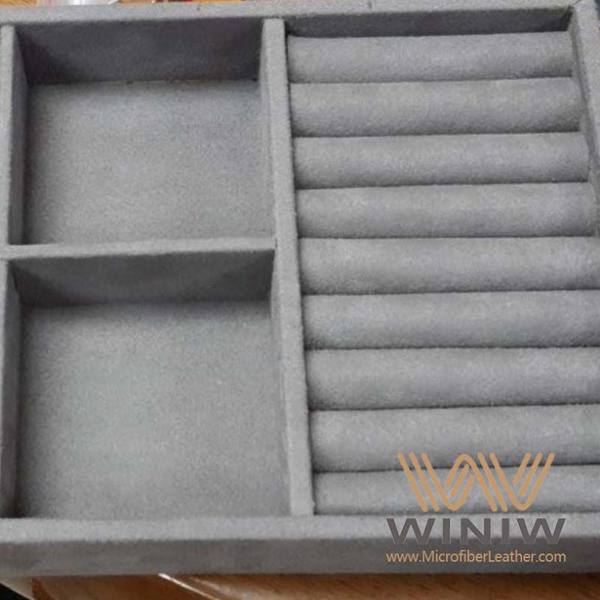
This is where a lining supplier can save a box maker a mould. If the material can be die-cut cleanly to size, the workshop can line a tray in one pass instead of wrapping strips by hand, and the tray keeps its shape because the sheet has a backing rather than a loose pile. We cut trays and sheets to a drawing; the drawer-style lengths are covered on the tray insert sheet page, and the soft-wrap version on the fitted lining page.
A packaging programme rarely buys one material for one box. The same suede that lines the lid usually lines the tray, covers the counter pad the tray sits on, and reappears on the busts behind it. Keeping all of that on one substrate is the cheapest way to keep a retail scheme looking deliberate, because colour and pile height match without anyone re-approving a swatch.
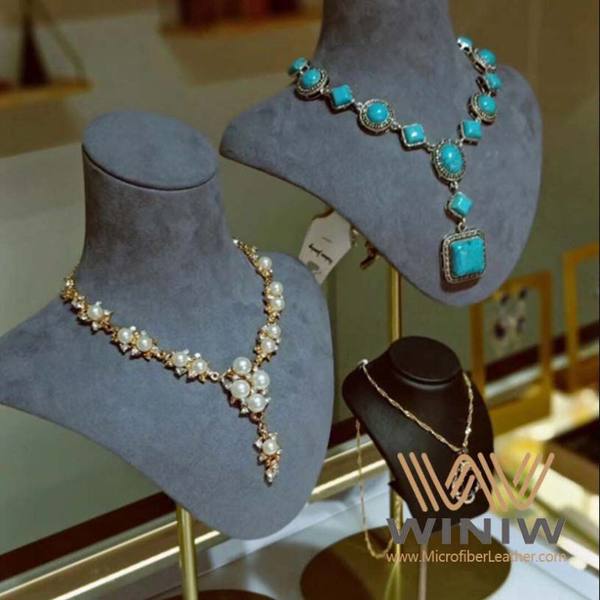
The catch is wear. A lid lining is touched twice a day; a counter pad is touched by every customer who leans on the glass. When the same material does both jobs, the counter version is the one that fails first, and the failure looks like a range-wide quality problem rather than a single worn pad. Where the counter is the harder life, specify the heavier gauge there and keep the thin one for the box, same colour, different number.
Three questions come up in almost every enquiry that starts from a velvet box. The first is velvet against felt. Felt is denser and flatter; it hides gaps and takes a printed logo well, but it has almost no sheen, so under shop lighting it reads as a work surface rather than a presentation surface. Velvet-faced or suede-faced material is chosen when the piece needs lift, and felt when the box has to disappear. Several programmes use both: felt under the tray, suede on the lid.
The second is flocking against a lined sheet. Buyers often ask for “self-adhesive velvet flocking liner” because that is what the search bar suggests, and for a one-off craft project it is the right answer. For a production box it is not, because the flock has no carrier to cut against and no backing to hold a die-cut edge. If the brief says flocking, we quote a lined sheet instead and explain the difference on the swatch card, so the sample that comes back is the material that will actually run.
The third is thickness. There is no correct answer in isolation: 0.4 mm for tight radii and shallow trays, 0.5 mm as the general-purpose number, 0.6 mm where the box should feel padded or where the lining has to span a wide lid without telegraphing the board. Send the drawing and the slot dimensions and the choice usually makes itself. Buyers who want to see the difference before committing can take the three gauges as A4 swatches and wrap a corner themselves, that single test answers more than a spec sheet does.
Five checks run on every order of lining material for jewelry packaging. Each one produces a record that travels with the roll, so a complaint can be answered from data instead of memory.
What we cannot document is a wear figure or a colour-fastness grade for these specific packaging grades, because those tests have not been run on them. We would rather write that sentence than borrow a number from an automotive suede report, which is a different material measured for a different end use. If your tender needs the number, ask for the test and we will run it to the method you name.
WINIW has been coating and finishing microfiber and PU leather for over two decades, supplying box makers, display manufacturers and packaging converters. Our position on this page is narrow on purpose: describe the layer, be clear about which values exist, and let the sample do the rest. If a competitor’s page quotes a total solution, that is their claim, not a measurement.
Is a velvet jewelry box lining real velvet?
Usually not. Most pandora velvet jewelry box interiors use a microfiber suede with a short brushed pile, which looks and feels like velvet but is supplied as a backed sheet so it can be cut and glued. Woven silk or viscose velvet exists in luxury packaging, but it costs more and behaves differently at a corner.
Should I use flocking or a lined sheet for a jewelry box?
Flocking suits display cards and one-off projects. A lined sheet is the production choice: it has a carrier, cuts cleanly, holds a die-cut shape and can be replaced without stripping the board. Buyers searching for self-adhesive flocking liner are often better served by a thin lined sheet on adhesive.
Which thickness should a ring box lining be?
0.4 mm for tight radii and shallow slots, 0.5 mm as the general choice, 0.6 mm where the lid should feel padded. The slot dimensions decide it more than the look does, send the drawing and the choice is straightforward.
What is the minimum order for lining material?
300 m per colour for the standard range. Programs that mix several colours across a box family are quoted per colour rather than as a lump sum, so the small boxes do not subsidise the large ones.
Can the lining come already die-cut for trays?
Yes. Send the tray drawing and the sheet is cut to size, including ring slots and corner reliefs. Die-cut supply removes the wrapping step at the bench and keeps the tray geometry consistent across a run.
Do you supply anti-tarnish lining?
We supply the structural layer for it, the suede and the barrier build a tarnish-control programme sits in. We do not claim a tarnish rate for a textile, because that performance belongs to the chemistry inside the laminate and has to be tested as part of the finished construction. See the anti-tarnish lining sheet for the build-up.
If you are specifying the rest of the box, these pages cover the neighbouring decisions: what to check before you buy synthetic suede, microfiber suede for jewelry boxes, and the anti-tarnish lining build. For the outside of the box, the covering side is set out on the velvet suede covering page.
Business Phone : +8618150976625
E-mail : Hello@MicrofiberLeather.com
Mobile & WhatsApp : +8618150976625
Adresse : W6-302 Shimao Manhadun Shuanglong Road, Jinjiang Quanzhou Fujian China



© droits d'auteur 2022 Winiw International Co., Ltd.Tous les droits sont réservés.
XML | Politique de confidentialité |