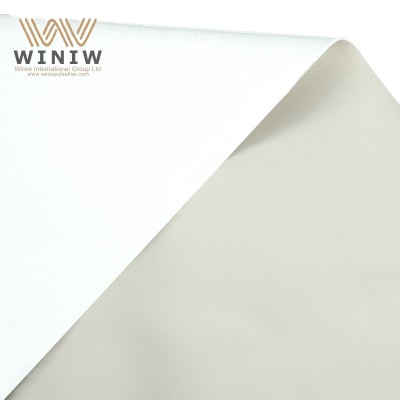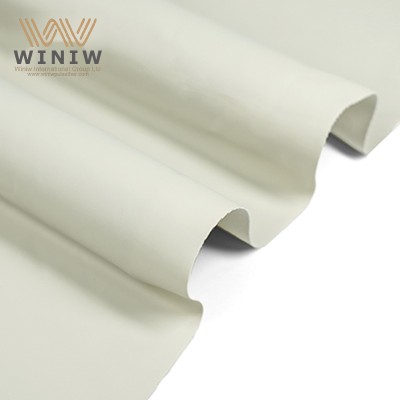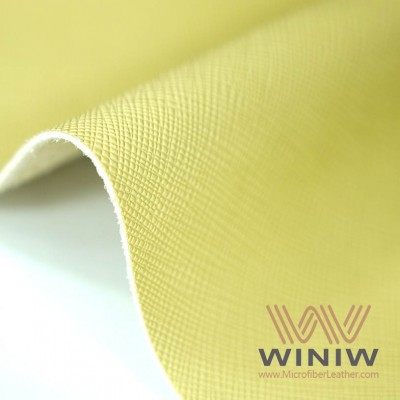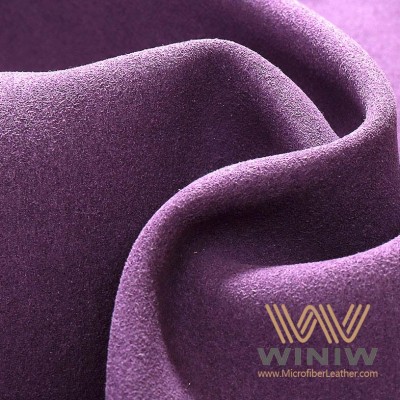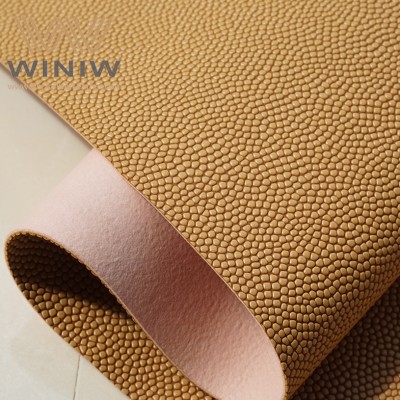
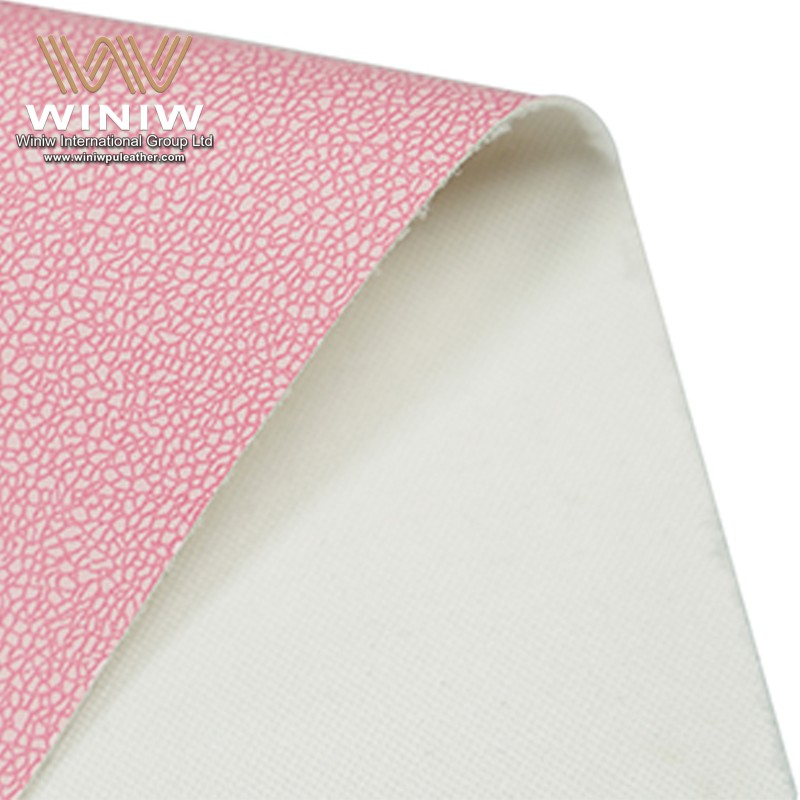
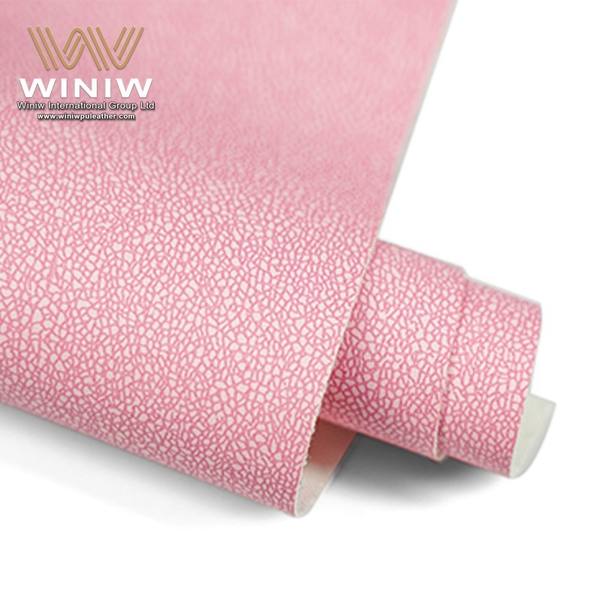
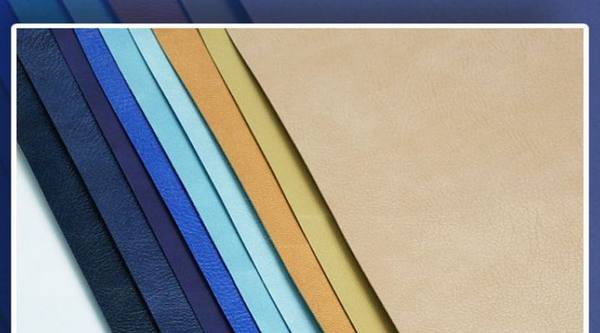
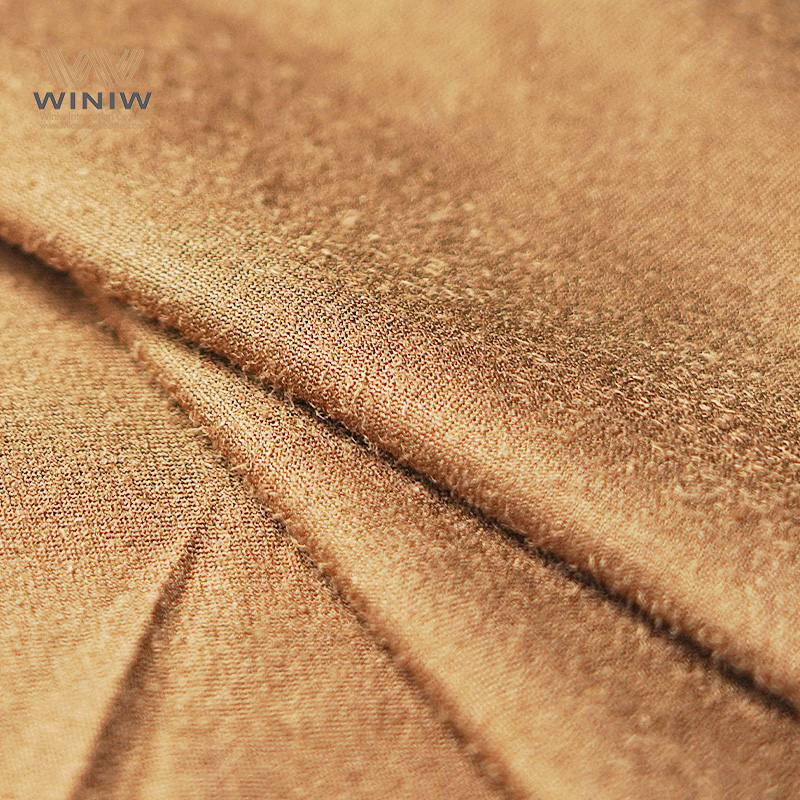
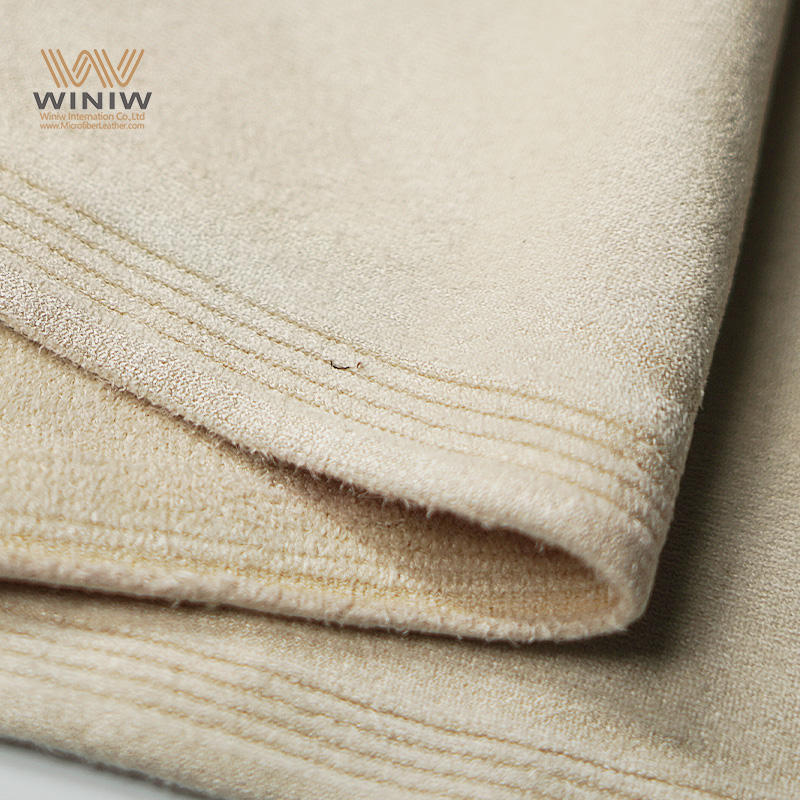
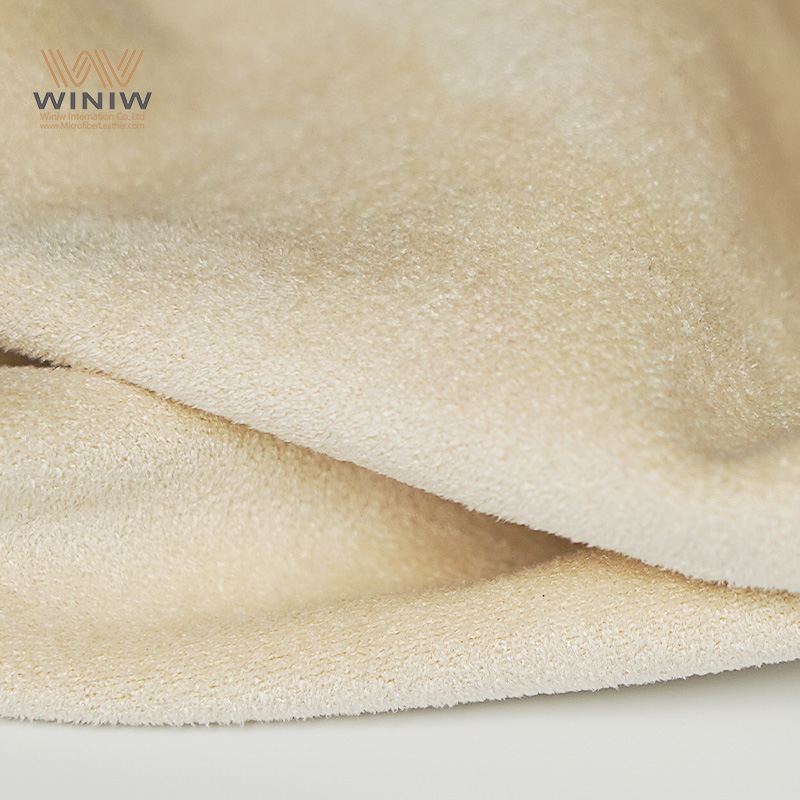
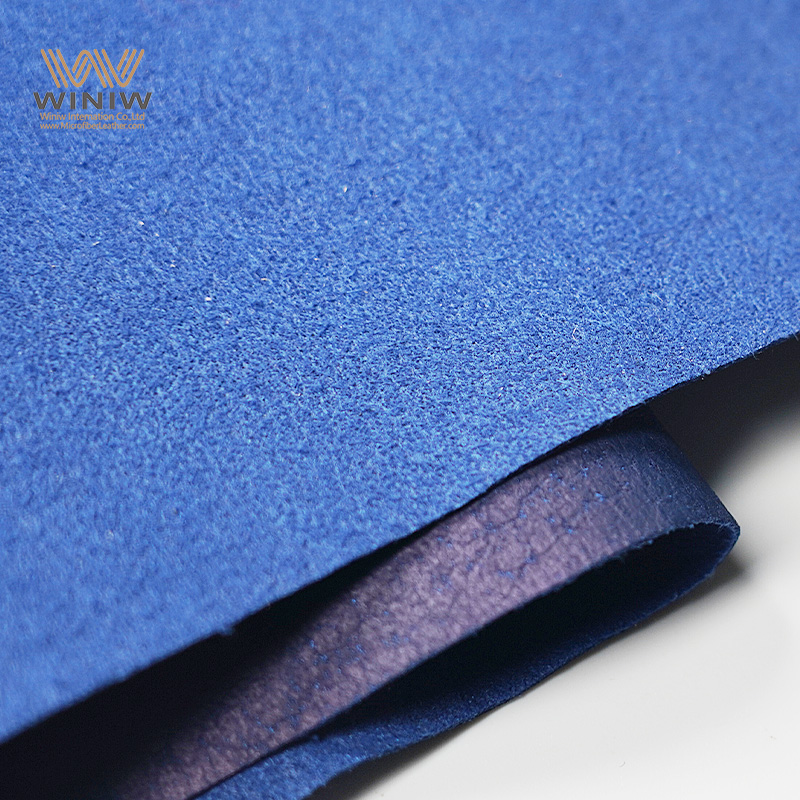
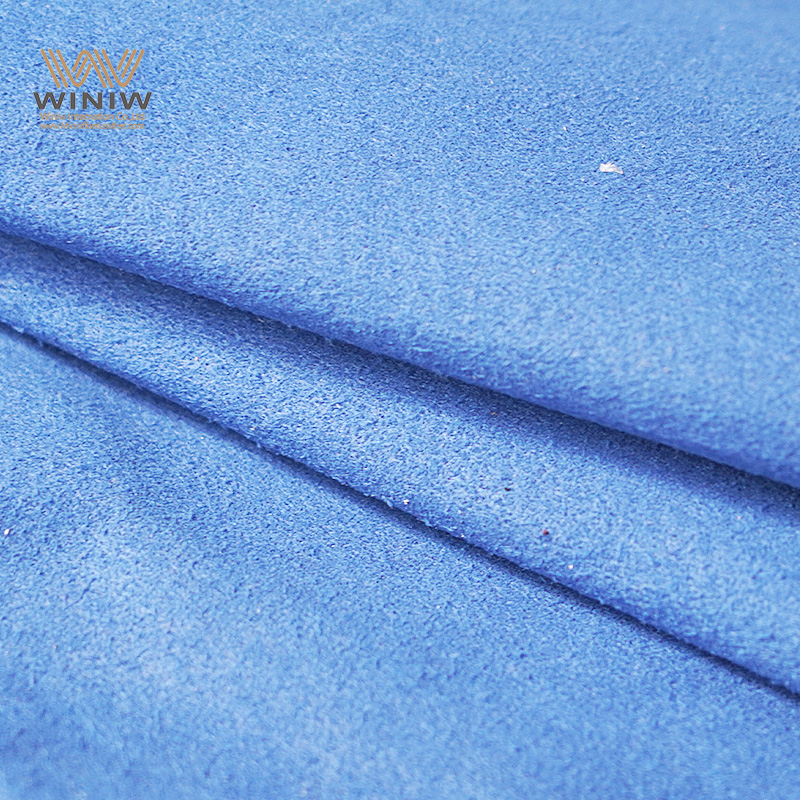
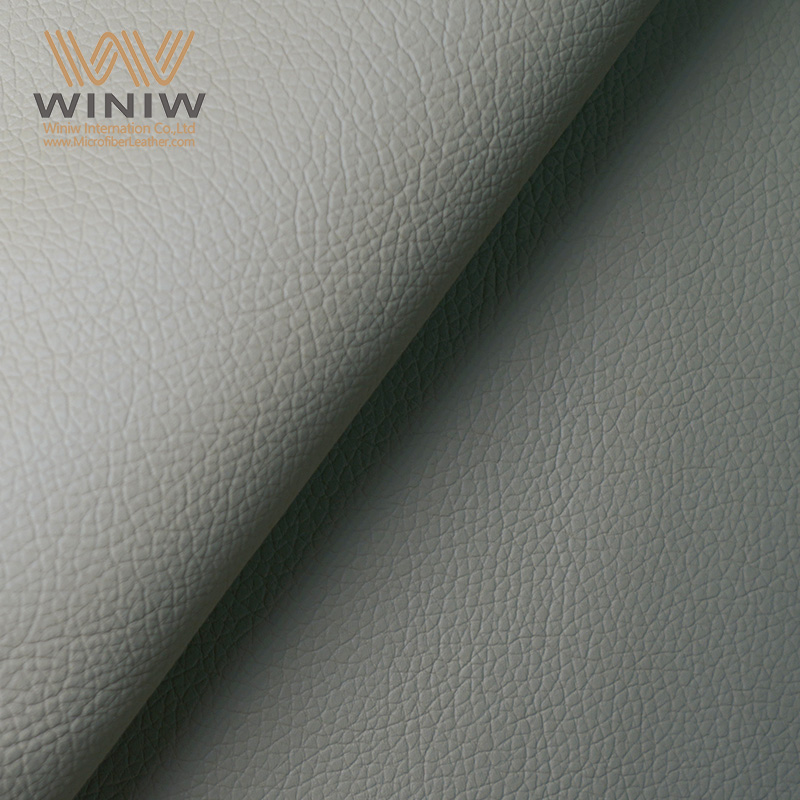
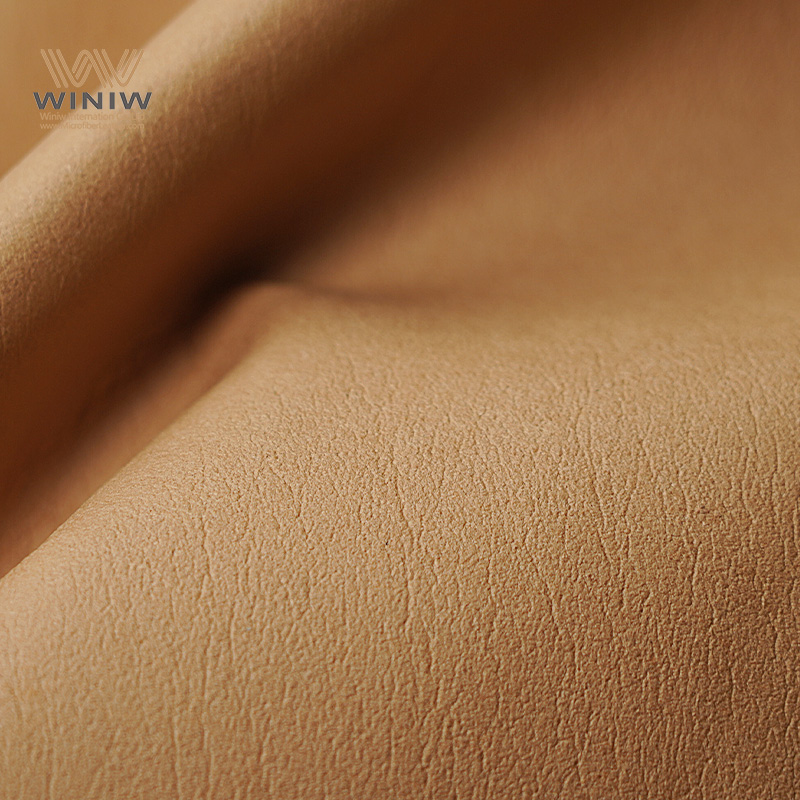
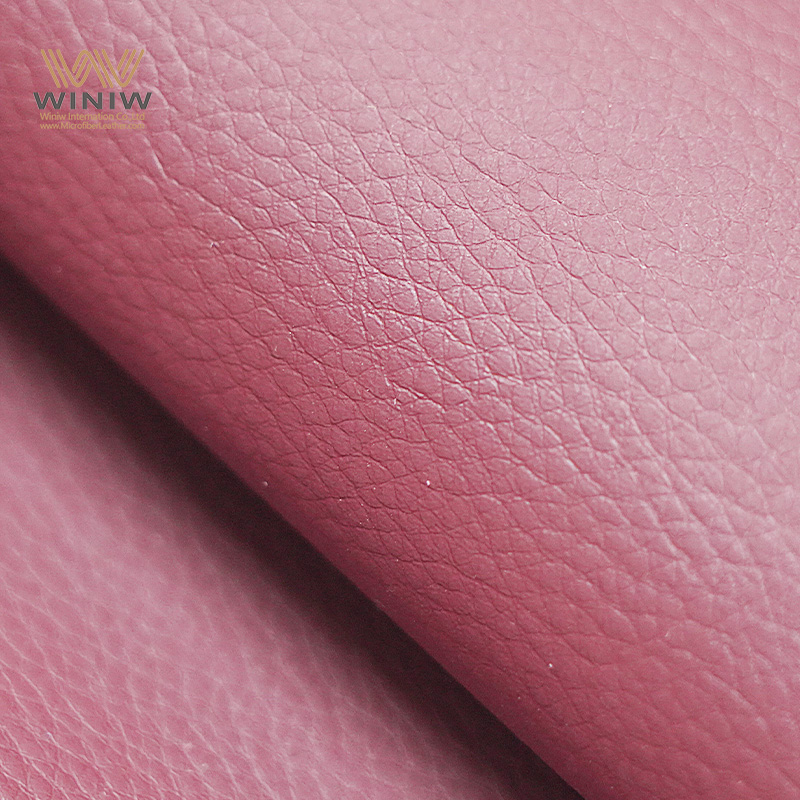
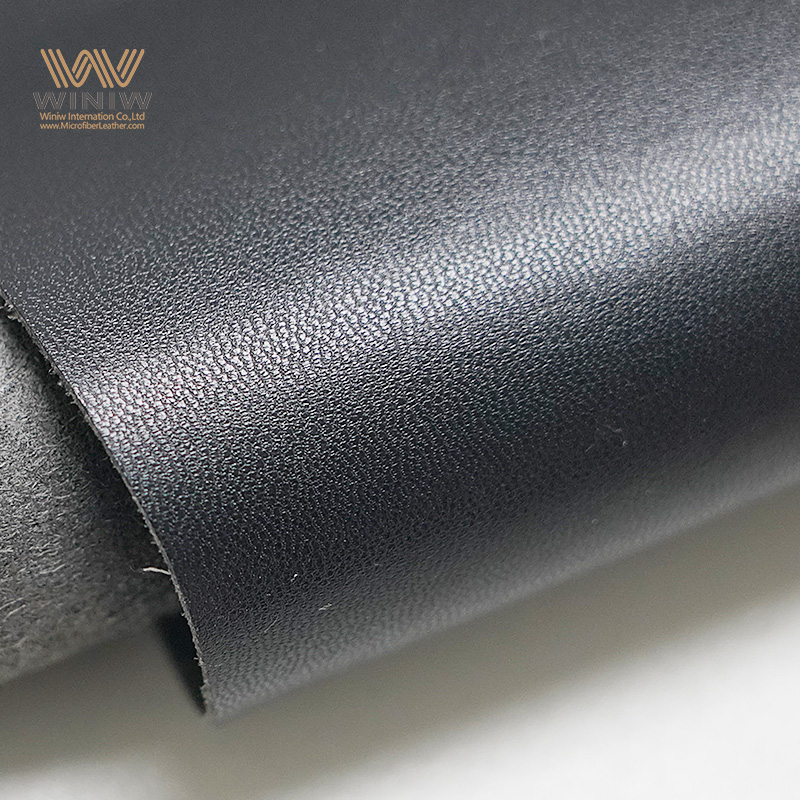
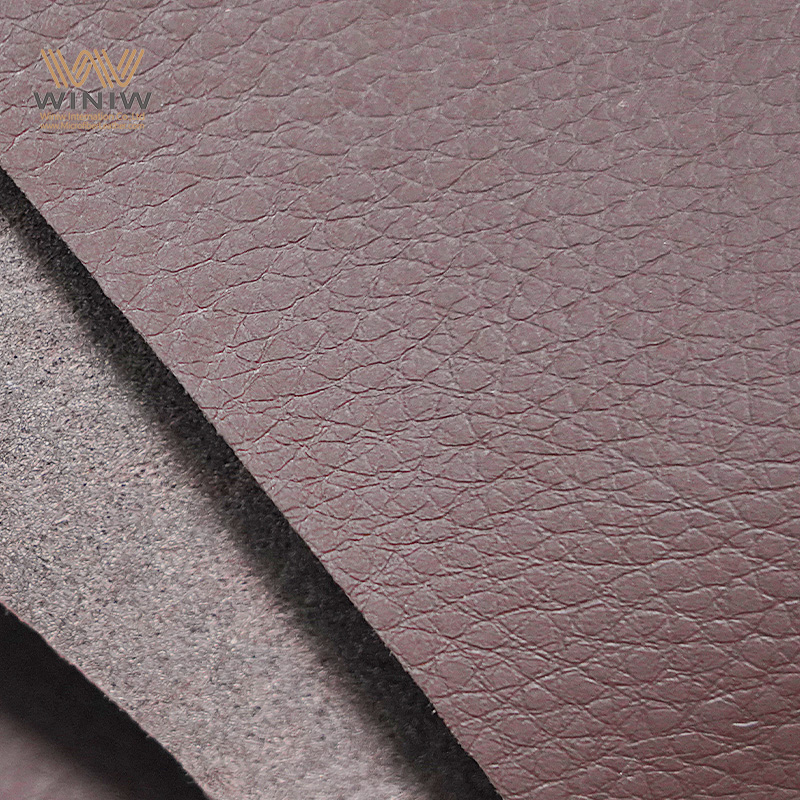
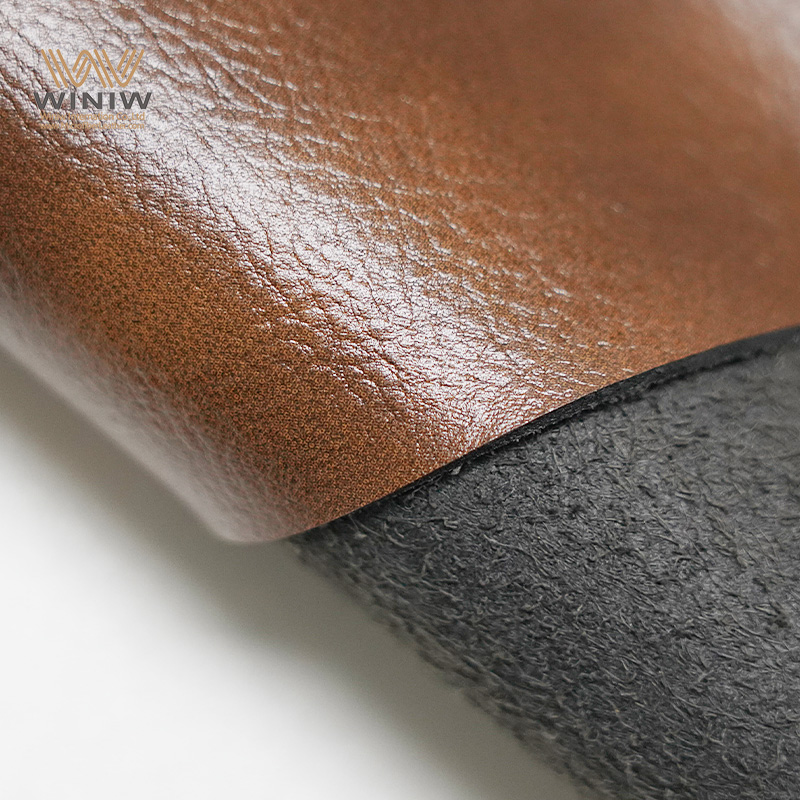
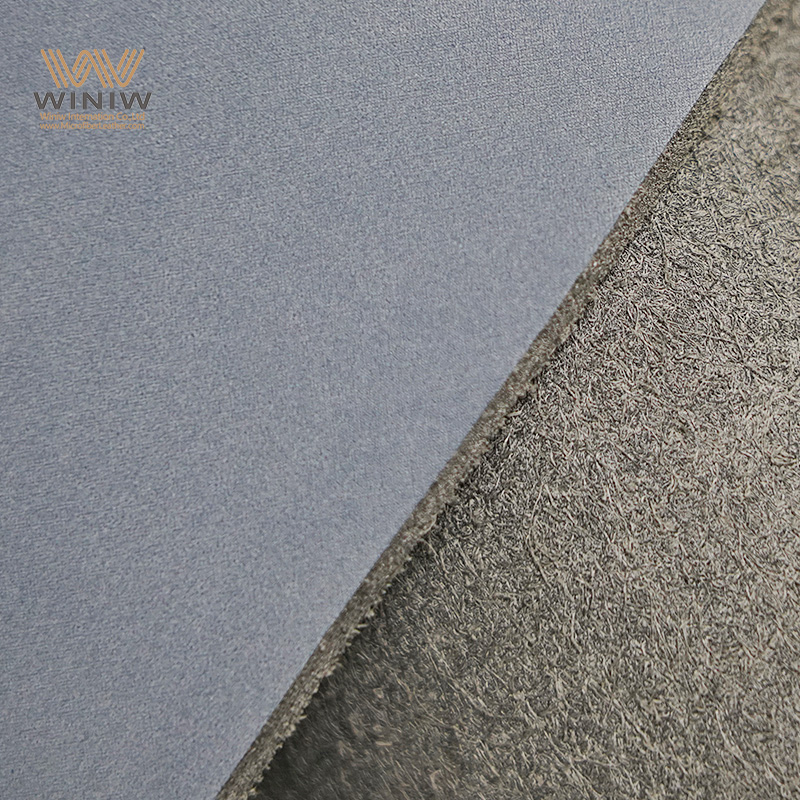
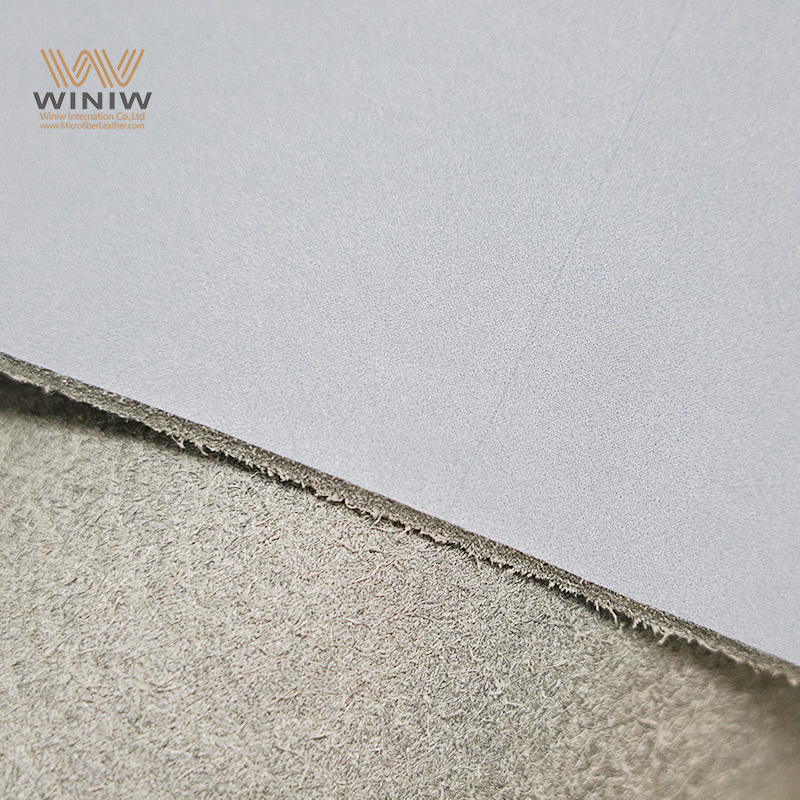
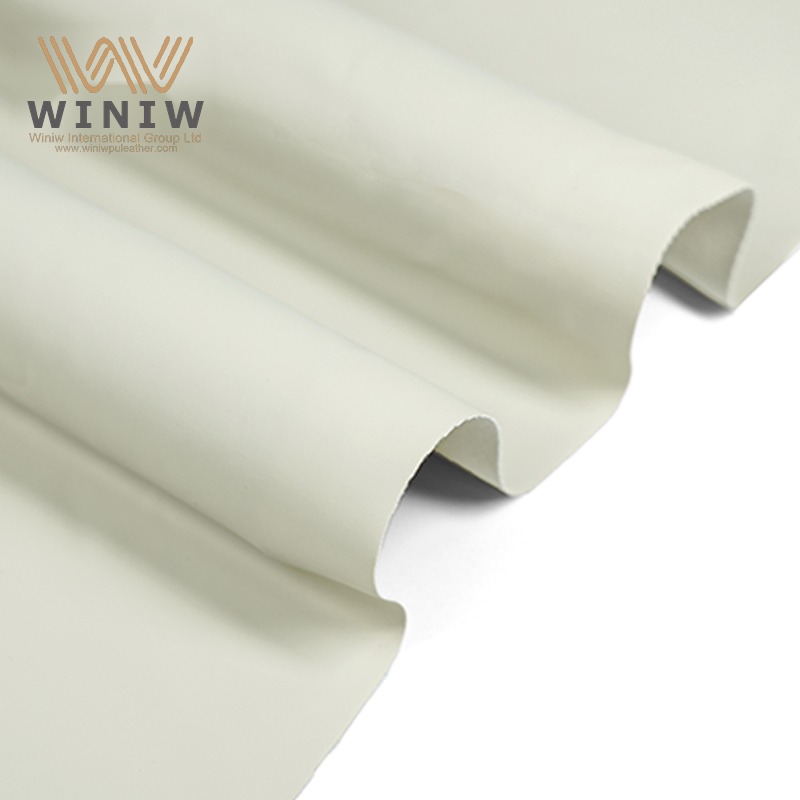
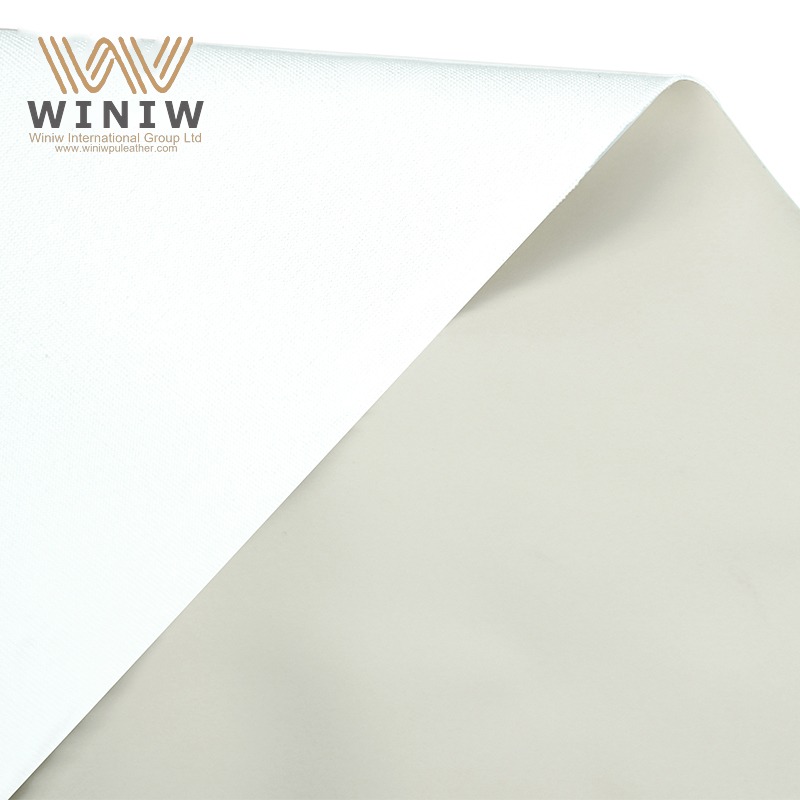
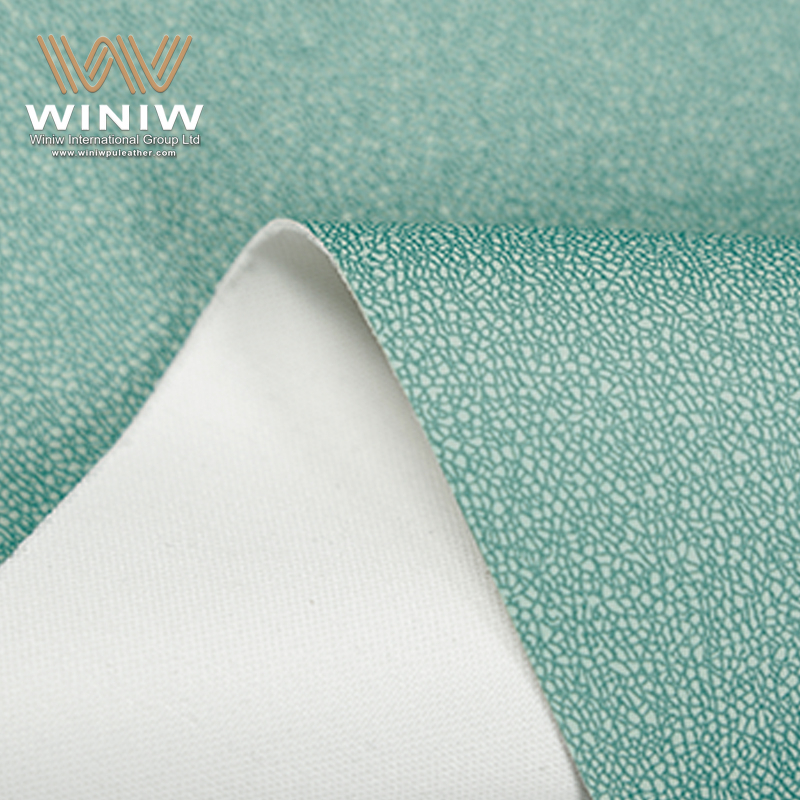
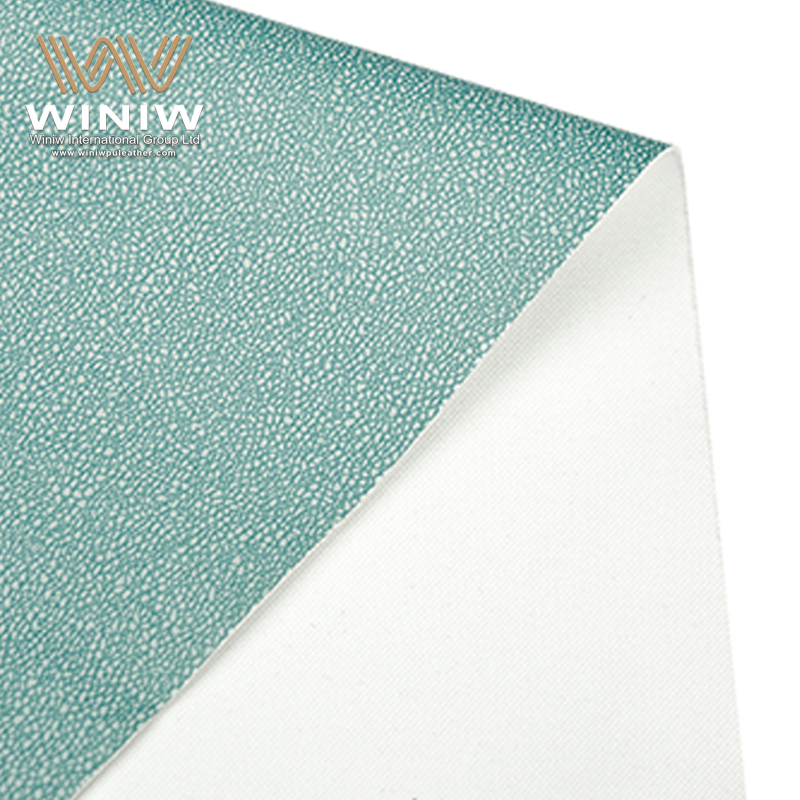
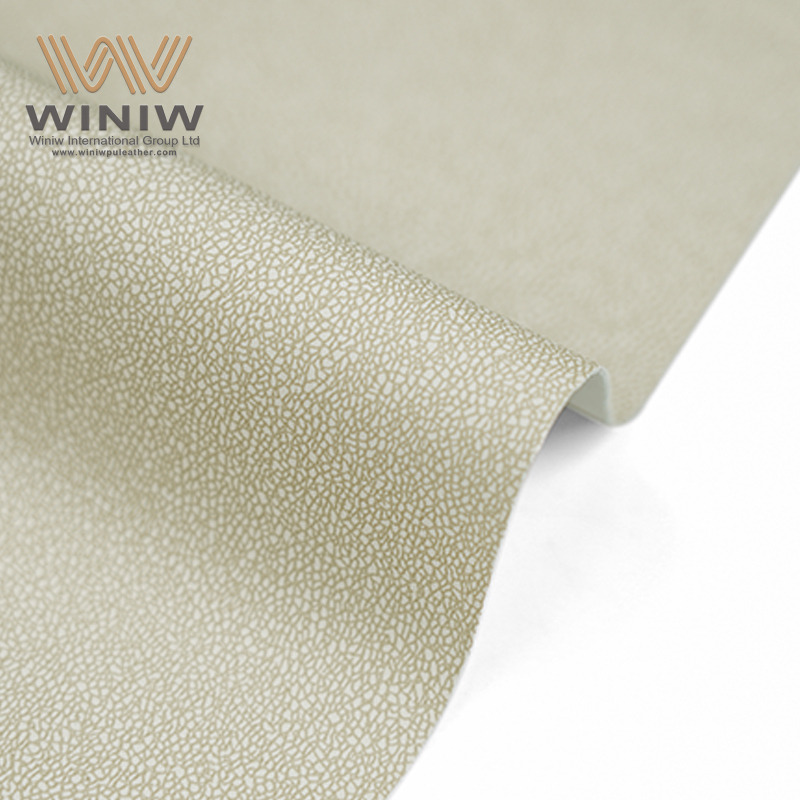
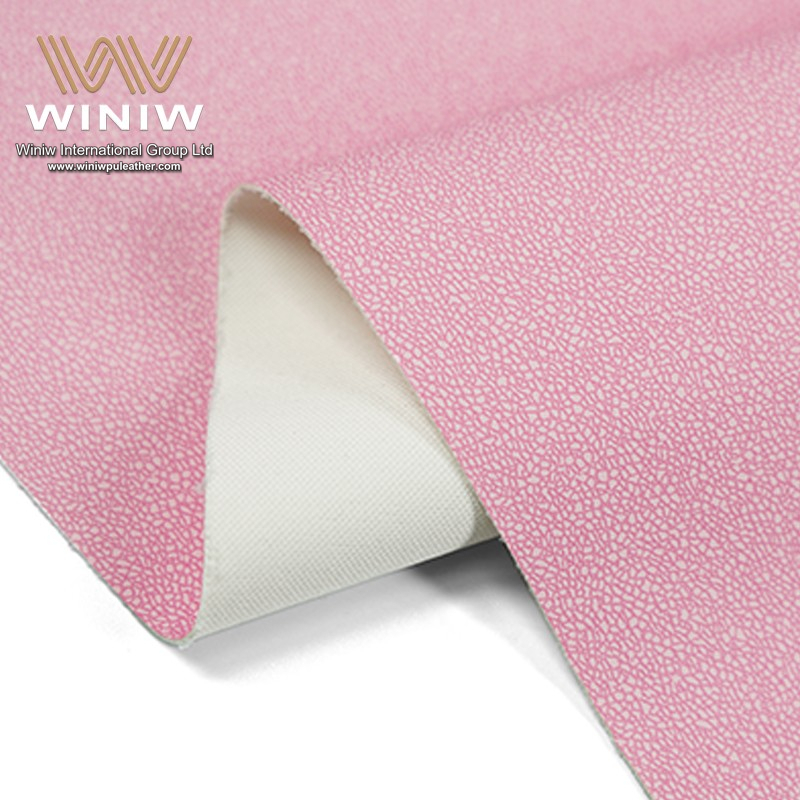
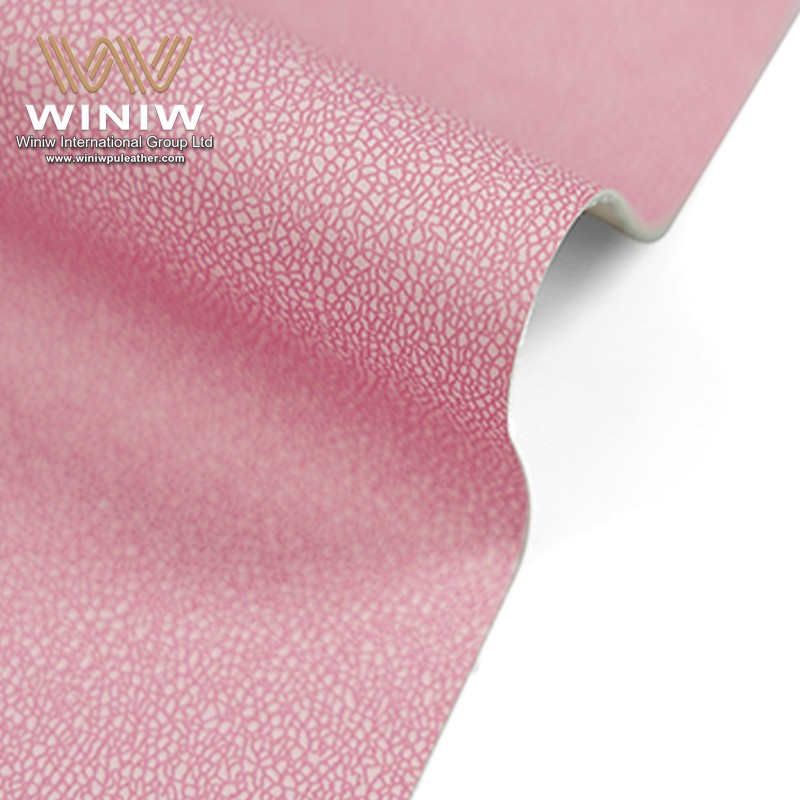
PU leather jewelry tray inserts in 0.4 mm, 0.5 mm and 0.6 mm on a white nonwoven base, cut to your die layout or supplied as slit roll. 0.4 mm wraps a moulded tray, 0.5 mm holds a die-cut panel with compartments, 0.6 mm sits in a box without a board underneath. The face is a matte crackle emboss. Minimum order 300 m, REACH SVHC screening held.
Matériel :
Microfiber LeatherComposition :
55% Nylon / 45% PU, white nonwoven baseÉpaisseur :
0.4 / 0.5 / 0.6 mmLargeur :
137 cm (54")Couleur :
Custom — matched to swatch or Pantone referenceDélai de mise en œuvre :
Confirmed per orderCapacité de production :
1,000,000 m / month (all product lines)A tray insert is the one piece of a jewelry box that is cut, folded and judged at the same time. It has a die-cut outline, a set of compartment walls, and an exposed edge that sits within a few centimetres of whatever is inside it. Buyers who move from suede to PU usually do it for a reason that has nothing to do with luxury: PU holds a crisp cut edge, resists the compression marks that come from stacking trays, and takes a printed or embossed face without the pile flattening. What they gain in edge quality they lose in softness, and the honest job of this page is to lay out where that trade falls.
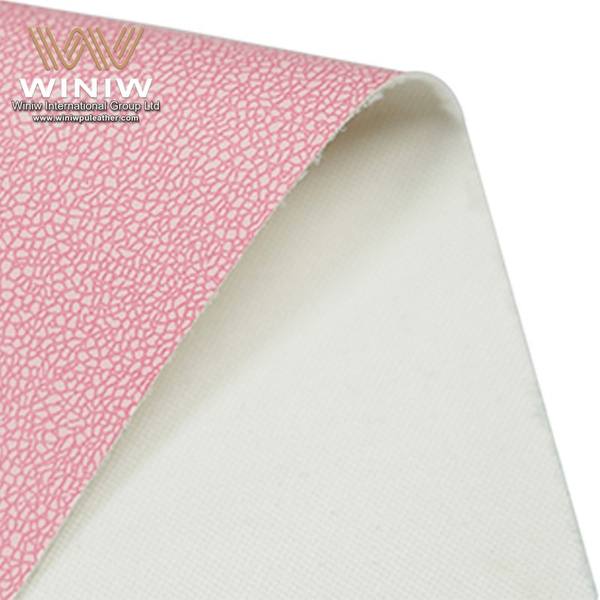
Put two tray inserts side by side in a box and nobody looks at the middle of either. They look at the rim: whether the cut is clean, whether the material has whitened where the die passed, and whether the wrap over the divider has left a ridge. A PU face will give you a sharper rim than a napped surface every time, because there is no pile to be crushed by the die, but the same hardness is what makes a bad cut visible.
That is why the material and the die have to be specified together. A die that cuts cleanly through 0.4 mm can drag on 0.6 mm and leave a feathered edge, and a coating that is fine on a flat panel can chip at the corner of a small cut-out. If the insert has 12 finger notches, the notch is where the batch will fail, not the large panel.
The jewelry range is held in three gauges, and they are not interchangeable. Each answers a different build.
|
Item |
Held on this sheet |
Decision it settles |
|
Backing |
White nonwoven |
How the panel bonds into a cavity and whether a pale face shows a grey cast |
|
Gauge |
0.4 / 0.5 / 0.6 mm |
Whether the cavity edge shears clean on your rule die |
|
Surface |
PU coating, crackle emboss, matte |
Whether a cut edge whitens and how a scuff reads |
|
Shade |
Matched to a swatch or Pantone reference |
Whether a set of forty trays matches tray to tray |
|
Order quantity |
300 m minimum |
How many insert sets one roll covers after offcut |
|
Slitting |
Full roll, slit roll, cut panels |
Whether the die runs at your bench or ours |
A cut through a coated sheet exposes the base. On a white nonwoven base that exposure is invisible; on a dark shade over a white base it is a pale line all the way round, and on a pale shade it is a slight grey line where the die has rubbed. Three settings control how much of that line shows.
Blade clearance matters more than blade sharpness. A die with too much clearance tears the coating instead of shearing it, and a torn edge feathers. Cutting from the backing side rather than the face side pushes the burr underneath, where nobody sees it. And a cold die on a cold sheet will chip the coating at a tight internal radius — a notch with a 2 mm radius is the first place it shows. If the layout has a lot of small notches, cut a test sheet from the middle of the roll before committing the batch, not from the end.
Wrapping a compartment wall is the operation that most clearly separates a PU insert from a suede one. PU has no pile to compress, so the wrap is thinner and the compartment holds its stated internal dimension. Suede adds 0.6 to 1.0 mm of pile on each wall, which on a ring slot 22 mm wide is the difference between a ring that stands up and a ring that leans.
The catch is at the fold itself. PU is less forgiving: a wrap over a 2 mm board will show a hard line, and if the coating is thick it can craze along that line after a few hundred cycles of a tray being lifted in and out. The fix is not a softer material, it is a different wrap — a 3 mm radius, a chamfered board edge, or a skived edge where the material turns. Getting 0.4 mm to wrap a 2 mm divider is routine; getting 0.6 mm to do it without a visible line is where sampling earns its cost.
It cannot cushion. PU is a film on a base, and a film transmits impact; a napped surface absorbs it. On a tray where loose stones or a chain with a heavy clasp sit directly on the lining, a PU face gives a harder landing than a suede one, and that is a real difference rather than a sales line.
It cannot hide a mark the way pile does. A crackle emboss breaks up a scuff, but a deep scratch on a PU face stays visible where the same scratch on suede disappears into the fibre. And it does not carry an anti tarnish effect on its own — anti tarnish behaviour belongs to what the lining is laminated with, not to the PU face, and no texture changes that. Buyers who need a tarnish barrier should be specifying the composite, not the surface.
Where PU wins is durability of the edge, dimensional stability in a thin wall, and a face that can carry a print or a deep emboss without the pattern sinking. Trays that are stacked, shipped and re-used take PU better. Trays that hold loose stones and never leave a drawer take suede better.
On a tray programme the swatch has to answer a harder question than colour: whether this gauge cuts cleanly on your die. A card in the right shade proves nothing if the material feathers at the notch or lifts at the wrap. What we send on a first order is an A4 card plus a short strip, so the strip can go through your own die and a corner of the card around your own divider before 300 m is committed.
If the die is not built yet, the useful step is to send the layout instead and have a cutting trial run on a sheet from the middle of the roll, because the end of a roll behaves differently from the body. Either route ends the same way: a decision made on the machine that will run the order, not on a colour fan.
The material carries a REACH SVHC screening at material level, Intertek report SZHH01505701, with all screened substances below the 0.1% declaration threshold. It is a screening of the material, not a certificate for the finished tray, and it is quoted that way on every order. The regulation behind it is (EC) No 1907/2006 Article 33, and the declaration threshold is 0.1% (w/w).
Anything beyond that is run to the buyer's named method on the buyer's batch: colour fastness to rubbing, thickness tolerance, a bond strength on the laminated edge, or a flex cycle on the wrap. The methods we would run are the standard ones for this class of surface: colour fastness to rubbing to ISO 105-X12, abrasion to ISO 12947-2, and a flex check on the wrapped edge at the radius your divider uses. We do not move a number from another product into a tray specification, and we do not publish a grade that has not been measured on that material. Buyers comparing formats can read the same reasoning in our specification checklist for travel jewelry case lining.
Can an insert be supplied already die-cut? Yes — send the layout and the box count, and cutting is quoted either as cut panels or as a knife-cut set. For a first order most buyers take the roll and cut locally, so the layout can be adjusted after the first tray is built.
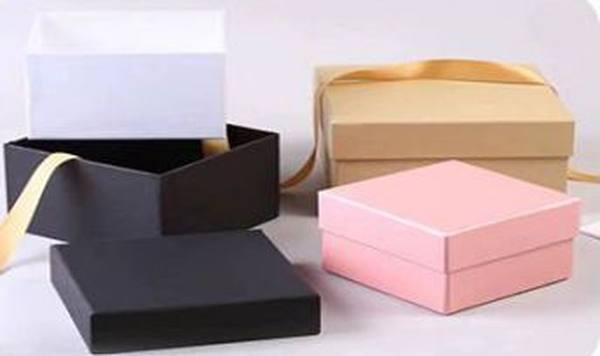
Does a PU insert need a board underneath? At 0.4 mm and 0.5 mm, yes, unless the tray itself is the shape. At 0.6 mm a flat insert can sit in a box without a board, which is where the material cost and the lamination step roughly cancel out.
How wide is the roll? Confirmed against your die layout rather than quoted as a fixed figure. Tray programmes are usually a width problem, and a slit roll matched to the insert wastes less than a full width roll cut down at the bench.
Will the emboss transfer onto the jewelry? A matte PU face does not transfer a pattern onto metal in normal use. What it can do is leave a light contact mark on a highly polished surface if a tray is stacked directly on top of a piece — which is a packing question rather than a material one.
Can the same shade run in both PU and suede? The colour can be matched across substrates, but the two will not read identically under a lamp, because pile and film reflect light differently. Approve them side by side if both are going into the same box.
A tray programme is a die problem wearing a material order. The layout fixes the cavity count, the wall thickness and the notch radius; those three fix the gauge, and the gauge fixes the price. Buyers who send a colour fan before they send a layout usually end up re-ordering, because the die decides more of the outcome than the shade does.
Start with the knife. A steel rule die with a clean relief on a 0.5 mm sheet will hold a cavity edge without a burr; the same die on 0.6 mm needs more pressure and can leave a slight step where the rule meets the counter. Then look at the notch. Finger notches and ring slots are where clearance shows, and a 2 mm radius is the point at which a cold sheet starts to chip rather than shear. Then the skive. Where the material turns over a compartment wall, a skived edge halves the visible thickness on the fold and removes the ridge that shows up on a stackable tray sitting on the one below.
What that means for the order is simple: the cavity layout, the wrap radius and the number of trays per set travel together. Send all three and the gauge can be settled in one reply. Send the shade alone and the answer has to be a range rather than a recommendation.
Working out a tray insert for a box programme?
Send the box internal size, the compartment layout and the number of trays per set. We will come back with the gauge that suits the die, the wrap radius the divider needs, and an A4 card in your shade so the edge can be cut and judged before the roll is ordered.
Request a quote and an A4 swatchÉTIQUETTES CHAUDES :



































Business Phone : +8618150976625
E-mail : Hello@MicrofiberLeather.com
Mobile & WhatsApp : +8618150976625
Adresse : W6-302 Shimao Manhadun Shuanglong Road, Jinjiang Quanzhou Fujian China



© droits d'auteur 2022 Winiw International Co., Ltd.Tous les droits sont réservés.
XML | Politique de confidentialité |